
Spinal Stenosis: When Injections Stop Working
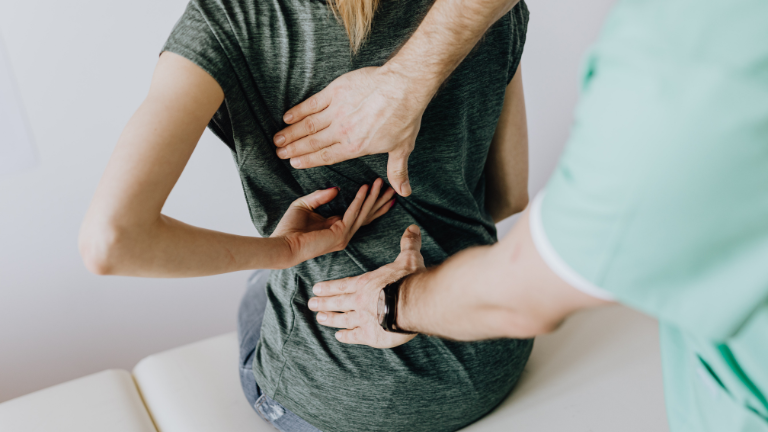
For many people living with spinal stenosis, injections can be an important and effective part of treatment. They often reduce inflammation, ease nerve irritation, and allow patients to stay active while avoiding surgery.
But for some, the relief becomes shorter-lived or stops altogether. When this happens, it can feel frustrating, especially if injections once worked well.
If you have reached this stage, it does not mean you have failed treatment. It usually means your condition has changed, and it may be time to reassess what your spine needs next.
As Mr Gordan Grahovac, Consultant Complex Spinal Surgeon and Neurosurgeon in London, explains:
“Spinal injections are a valuable tool, but they cannot reverse narrowing of the spinal canal. When symptoms persist despite repeated injections, it often signals that the pressure on the nerves has become more structural than inflammatory.”
What is Spinal Stenosis
Spinal stenosis occurs when the spinal canal narrows, placing pressure on the nerves that travel through the spine. In the lower back, this commonly causes leg pain, numbness, heaviness, or cramping when standing or walking. Many patients notice that spinal stenosis symptoms improve when sitting or leaning forward, but return as soon as they start moving again.
Stenosis often develops gradually due to age-related changes such as disc degeneration, thickened ligaments, or joint enlargement. Because progression is usually slow, symptoms of spinal stenosis may change subtly over time.
Why Injections Are Used for Spinal Stenosis Treatment

Spinal injections, such as epidural steroid injections or nerve root blocks, are commonly used to manage symptoms of spinal stenosis. Their aim is to reduce inflammation around compressed nerves and calm pain signals.
In many cases, injections:
reduce leg pain and numbness
improve walking tolerance
allow patients to continue physiotherapy
delay or avoid the need for surgery
They can also help clarify which nerve levels are responsible for symptoms, making them useful diagnostically as well as therapeutically.
When Injections Stop Helping
Over time, some patients notice that injections no longer provide the same benefit. Common patterns include:
relief lasting days or weeks instead of months
pain returning sooner after each injection
reduced walking distance despite treatment
increasing leg numbness or weakness
symptoms affecting daily activities again
This change does not mean injections were the wrong choice. It usually reflects the progression of spinal narrowing, where inflammation is no longer the main driver of symptoms.
What This Usually Means, and What It Does Not

When injections stop working, it often means that the spinal canal has become too narrow for anti-inflammatory treatment alone to be effective.
It does not automatically mean:
surgery is urgent
symptoms will suddenly worsen
conservative care was ineffective
But it does suggest that injections can no longer address the underlying mechanical compression of the nerves.
Do Exercises Still Matter When Injections Stop Working?
Many patients assume that if injections are no longer effective, exercise no longer plays a role. In reality, targeted movement remains an important part of managing spinal stenosis, even when symptoms begin to progress.
At this stage, exercise is less about pushing through pain and more about maintaining mobility, reducing stiffness, and protecting nerve function. Certain exercises can help support the spine and improve walking tolerance, while others may worsen symptoms by increasing pressure within the spinal canal.
Understanding which workouts for spinal stenosis are appropriate, and which movements to avoid, becomes increasingly important when injections stop providing relief. The right approach can help minimise flare-ups, preserve function, and support overall spinal health, even if further treatment is needed later.
For many patients, this is also the point where exercise programmes need to be adjusted rather than abandoned, often with specialist guidance to ensure movements are safe and effective.
When Spinal Surgery Becomes Part of the Conversation
At this stage, your specialist may discuss spinal stenosis surgery, most commonly lumbar decompression surgery. This procedure aims to relieve pressure by removing the structures compressing the nerves, creating more space within the spinal canal.
In selected cases, spinal fusion may also be considered if there is instability alongside stenosis, such as spondylolisthesis. Many procedures can now be performed using minimally invasive techniques, reducing tissue disruption and supporting recovery.
The goal of surgery is not perfection, but improvement in walking ability, leg symptoms, and overall quality of life.
Questions Patients Often Ask at This Point
Many people feel uncertain when injections stop working. Common and important questions include:
Why did injections help before but not now?
Is surgery my only option at this stage?
What happens if I do nothing?
How urgent is treatment?
What will recovery realistically involve?
A clear discussion helps patients feel informed rather than rushed into decisions.
Recovery Expectations
Recovery after lumbar decompression surgery is gradual. Many patients notice improvement in leg pain and walking ability before back discomfort settles. Physiotherapy, weight loss, regular movement, and lifestyle changes remain important parts of long-term success.
Surgery addresses nerve compression, but maintaining spinal health afterwards still depends on activity, posture, and strength.
Why Specialist Assessment Matters
When symptoms persist despite injections, careful assessment is essential. Not all spinal stenosis behaves the same way, and treatment should always be tailored to the individual.
Mr Gordan Grahovac specialises in the assessment and treatment of complex spinal conditions, including spinal canal stenosis. He uses minimally invasive techniques where appropriate and places strong emphasis on choosing the right treatment at the right time, whether surgical or non-surgical.
His approach focuses on restoring function, reducing pain, and helping patients return to meaningful daily activities.
Moving Forward With Confidence
If injections are no longer helping your spinal stenosis, it is reasonable to seek further specialist advice. Understanding why symptoms persist and what options are available can reduce anxiety and support informed decisions.
The aim is not simply to treat scans or symptoms in isolation, but to improve mobility, independence, and quality of life.
If you are experiencing ongoing leg pain, reduced walking tolerance, or worsening symptoms despite injections, a consultation with Mr Grahovac can provide clarity and guidance on the next appropriate steps.
Book a Consultation
When injections stop working, the next step is not always surgery, but it does warrant careful specialist assessment.
Mr Gordan Grahovac is a Consultant Complex Spinal Surgeon and Neurosurgeon based in London, specialising in the assessment and treatment of spinal canal stenosis and other degenerative spinal conditions. He works with patients at all stages of treatment, from conservative management through to surgery when appropriate.
Mr Grahovac performs more than 350 spinal operations each year, including lumbar decompression surgery and spinal fusion for carefully selected cases of spinal stenosis. He is widely regarded as one of the leading spine surgeons in the UK for complex and progressive spinal conditions.

If your spinal stenosis symptoms are persisting despite injections, a consultation with Mr Grahovac can help clarify why this is happening and what options are available, allowing you to move forward with confidence rather than uncertainty.
Take the first step toward understanding your symptoms and getting the right care.
Frequently Asked Questions About Spinal Stenosis
-
There is no single “best” painkiller for spinal stenosis. Simple pain relief, short courses of anti-inflammatory medication, or nerve-targeted medication may help some patients, but effectiveness varies. Pain relief is usually part of a broader plan that includes movement, posture, and targeted treatment rather than medication alone.
-
Injections reduce inflammation, but they cannot reverse narrowing of the spinal canal. When symptoms return, it often reflects progression of structural compression rather than treatment failure.
-
Not always. Surgery is considered based on symptoms, function, and imaging findings, not simply because injections are less effective.
