
The Questions You Should Ask Before Spine Surgery (and the Ones Most People Forget To)

When it comes to spinal conditions, knowledge truly is power. The most successful recoveries happen when patients are prepared, informed, and actively engaged in their care, not just during surgery, but long before and after it.
As Mr Gordan Grahovac, Consultant Neurosurgeon and Complex Spinal Surgeon, explains, “Patients should come prepared. A little research and focus can make all the difference. Many people arrive hoping for a quick fix, but recovery is a partnership. It takes time, effort, and lifestyle change.”
Below, Mr Grahovac shares the questions patients often ask and the questions they should be asking to make confident, informed decisions about their spine health.
Questions around Understanding the Diagnosis
Why these questions matter: Understanding your diagnosis gives you clarity and control. Knowing what is happening in your spine helps you set realistic expectations and feel confident in your treatment plan before committing to spine surgery of any kind.
Many patients come to their consultation anxious after months of pain or inconclusive scans. The first step is understanding exactly what is happening inside your spine.
What patients usually ask:
What exactly is my spinal condition?
Can you show me what is wrong on the MRI?
Is this MRI change normal for my age?
What you should also ask:
What is causing my symptoms?
Can MRI explain my symptoms fully?
Is this condition likely to get worse over time?
Is it normal to be in so much pain and discomfort, but scans look normal?
Mr Grahovac often sees patients who are disappointed when their MRI shows no structural problem to explain their symptoms. “Sometimes, pain comes from nerve root compression, but in the majority of the cases pain can originate from tight muscles, inflamed soft tissue and can be aggravated by lifestyle factors. Imaging does not always tell the full story, that is why discussion and examination are so important.”
Questions about Treatment Options
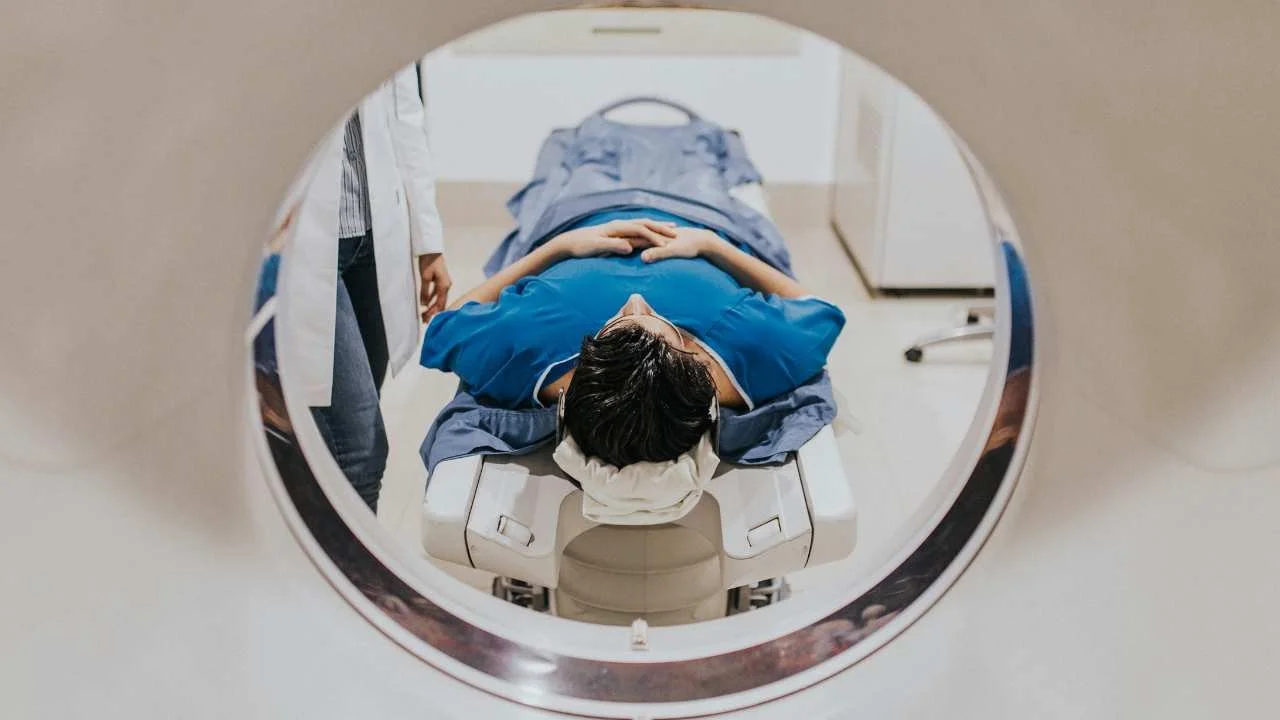
Why these questions matter: Not every spine condition requires surgery. Asking about alternatives helps you understand all possible paths and weigh the benefits and risks before considering lumbar decompression surgery, discectomy, spinal fusion, or other forms of back surgery.
Every spinal condition has multiple treatment paths. Conservative management such as physiotherapy, injections, or medication can be highly effective, and will help in the vast majority of the cases.
What patients usually ask:
What are my non-surgical treatment options?
Can I wait or try conservative treatment first?
Do I need surgery for my condition? If so, what type of surgery do I need?
Questions to add:
What are the risks and benefits of surgery compared to conservative management?
How successful is surgery for my specific condition?
How long is recovery after surgery ?
What can I do to help to improve the success of the surgery?
What are the chances my symptoms improve without surgery?
As Mr Grahovac explains, “Surgery is never 100 percent successful, neither is conservative care. The best outcomes happen when patients are involved in their recovery and commit to exercise, weight management, and long-term spine health.”
Questions about the Surgery (If Recommended)
Why these questions matter: Surgery can feel daunting. Understanding the approach, recovery time, and risks reduces anxiety and ensures you and your surgeon are aligned on expectations before undergoing any form of spinal surgery.
For patients considering an operation, clarity is crucial. Knowing the surgeon’s experience and technique helps you feel secure in your choice.
Questions to ask your surgeon:
What type of spinal surgery are you recommending, and why?
How experienced are you with this specific procedure?
Can it be performed using a minimally invasive technique?
What are the risks, potential complications, and recovery times?
How urgent is it to be treated?
The right spinal surgeon or neurosurgeon will welcome these questions. As Mr Grahovac notes, “Informed patients make better decisions, and they recover better too.”
Questions about Recovery and Long-Term Outlook
Why these questions matter: Surgery is only one part of the treatment journey. Asking about recovery helps you plan realistically, from returning to work to engaging in rehabilitation exercises essential for long-term results.
Recovery does not end when you leave hospital. It requires patience, consistency, and realistic expectations.
Essential questions to ask:
How long will I stay in hospital?
How long my total recovery?
How much pain should I expect after surgery, and how is it managed?
When can I return to work, exercise, driving, or daily activities?
Will I need physical therapy or rehabilitation afterwards?
What are the chances I will need another spine surgery in the future?
“Recovery takes time,” says Mr Grahovac. “Patients who take ownership of their rehabilitation, follow advice, and build long-term strength through exercise tend to achieve the best results.”
Questions about Lifestyle and Prevention
Why these questions matter: Long-term spine health depends on what happens after surgery. Understanding lifestyle changes helps you take responsibility for maintaining strength, reducing long-term pain, and preventing recurrence. Some acute lifestyle modifications can significantly reduce perioperative complications.
A healthy spine relies on more than good surgery. It depends on daily habits.
Key questions to ask your specialist:
What lifestyle changes will help improve my spine health?
What activities should I avoid before and after surgery?
How can I prevent my condition from recurring or worsening?
Mr Grahovac emphasises long-term benefits when patients actively engage in their own health. “Surgery can correct the structure, but what happens afterwards is in your hands. Exercise, posture, and weight management are what keep the spine healthy for years to come.”
Why These Questions Matter More Than You Think
Coming prepared to your consultation ensures you understand your diagnosis, your options, and the realistic long-term outlook. It helps you feel in control rather than overwhelmed.
As Mr Grahovac often tells his patients, “The people who recover best are those who take an active role in their own care. The more you ask, the more we can help.”
Whether you are seeking a second opinion, exploring surgery, or managing chronic back pain, Mr Gordan Grahovac encourages every patient to be curious, informed, and involved in their spinal health.
Book a Consultation
Mr Gordan Grahovac is a Complex Spinal Surgeon based in London and Kent, specialising in minimally invasive spine surgery, complex spinal reconstruction, spinal fusion surgery, and advanced spinal cord decompression.
He is frequently called upon to manage emergency and complex spinal conditions, including spinal stenosis, spondylolisthesis, Cauda Equina Syndrome, spinal tumours, and spinal cord compression, providing expert surgical care and long-term recovery planning.
Performing more than 350 spinal operations each year, including procedures such as discectomy, spinal fusion, and lumbar decompression surgery, Mr Grahovac is widely regarded as one of the top spine surgeons in the UK.
Take the first step toward understanding your pain and getting the right care. Book a consultation today.

