
Walking: The Most Important Part of Spine Surgery Recovery

For many patients preparing for spinal surgery, one of the most common concerns is: “How long will it take before I feel like myself again?”
While each recovery is unique, one factor consistently makes the biggest difference to long-term outcomes: walking.
Walking is simple, accessible, and safe for most patients after procedures such as spinal decompression surgery (including laminectomy), discectomy, spinal fusion, and other forms of spinal surgery. Yet its impact is profound.
As Mr Gordan Grahovac, Consultant Neurosurgeon and Complex Spinal Surgeon in London and Kent, explains:
“Movement is medicine. After spine surgery, walking helps restore confidence, reduces pain, and supports the spine as it heals. It is the single most important activity patients can do consistently.”
5 Reasons Why Walking Matters After Spine Surgery
Walking is not simply exercise; it is a core part of your rehabilitation. It supports spinal healing in several important ways:
1. Walking reduces inflammation and stiffness
Gentle movement increases blood flow to spinal tissues, helping to reduce swelling and stiffness around the surgical area. This is essential after procedures like lumbar decompression surgery such as laminectomy or discectomy, where surrounding muscles and ligaments need support to recover.
2. It protects the spine without putting it under strain
Unlike high-impact exercise, walking keeps the spine upright and engaged without excessive load. This is especially beneficial after spinal fusion surgery or disc replacement surgery, where stability is critical during early healing.
3. It improves circulation and prevents complications
Early walking reduces the risk of blood clots, chest infections, and other post-operative complications that can occur when patients remain sedentary after spine surgery.
4. It supports the muscles that protect the spine
Walking activates core stabilising muscles that help protect the spine long after surgery. This reduces long-term pain and supports spine surgery recovery from conditions such as spinal stenosis, spondylolisthesis, or nerve compression.
5. It improves mental wellbeing
Spinal surgery recovery can feel overwhelming. A short, daily walk restores routine, boosts mood, and gives patients a sense of progress.
How Soon Should You Start Walking?
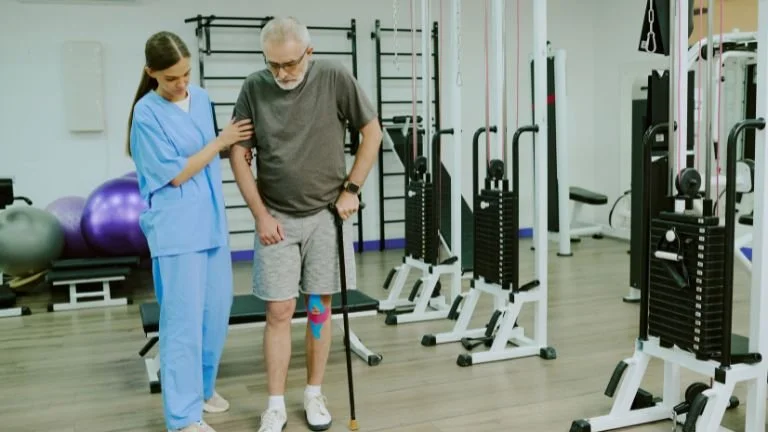
Most patients under the care of Mr Gordan Grahovac begin walking on the same day of surgery or within 24 hours, depending on the procedure and anaesthetic recovery.
This applies to surgeries including:
Lumbar decompression surgery including laminectomy
Microdiscectomy or discectomy
Spinal fusion surgery
Revision spine surgery
Minimally invasive decompression procedures
Anterior cervical discectomy and fusion (ACDF)
Walking early does not risk damaging the surgical site. In fact, delaying movement can slow recovery, increase stiffness, and make pain worse.
How Much Should You Walk? A Simple Guide
Mr Grahovac encourages a “little and often” approach:
Week 1 to 2: Short, frequent walks
Start with 3 to 5 minutes at a time
Aim for 5 to 6 walks throughout the day
Avoid hills, uneven surfaces, or long strides
Week 3 to 6: Gradual progression
Increase to 10 to 20 minutes at a comfortable pace
Focus on posture, breathing, and steady steps
Continue avoiding long, uninterrupted sitting
Week 6 to 12: Building capacity
Most patients walk comfortably for 30 minutes or more
Walking may replace painkillers as mobility improves
Many return to work or structured physiotherapy
3 to 6 months: Strength and endurance
Walking becomes part of daily life again
Patients recovering from spinal fusion see progressive increases in endurance
Low-impact strengthening exercises are gradually added
The goal is consistent progress, not perfection.
It is better to walk three minutes six times a day than twenty minutes once.
What If Walking Hurts?
Mild discomfort is normal. Sharp pain, new weakness, or worsening leg symptoms are not.
Signs to contact your surgical team include:
New shooting leg pain
Pain that worsens each day rather than improving
Difficulty standing or balancing
New onset of bladder or bowel symptoms
Most early pain is muscular and resolves with gentle movement, pacing, and time.

Walking After Different Types of Spine Surgery
After Lumbar Decompression Surgery (Including Laminectomy)
Walking helps prevent the return of stiffness and supports nerve recovery as inflammation settles around the spinal canal. It also helps maintain healthy movement patterns following decompression techniques such as laminectomy or foraminotomy.
After Discectomy
Movement prevents scar tissue from becoming restrictive and helps calm nerve irritation.
After Spinal Fusion Surgery
Walking is essential to support bone healing and avoid long periods of sitting, which place more strain on the lower back than standing or walking.
After ACDF (Anterior Cervical Discectomy and Fusion)
Patients often underestimate how important walking is after ACDF, but upright movement supports posture, reduces neck stiffness, and encourages healthy spinal alignment during the early fusion process.
After Tumour or Complex Reconstruction Surgery
Mr Grahovac uses walking as part of a structured, individualised plan to restore confidence and protect neurological function.
Common Mistakes to Avoid During Recovery
Patients often delay recovery by trying to “power through” too fast or by being overly cautious. Avoid:
Taking long walks too early
Sitting for more than 30 to 45 minutes without moving
Twisting or bending while walking
Walking with poor posture or large steps
Comparing your progress to others
Recovery is personal. Two patients with the same surgery may heal at very different speeds.
When to Start Physiotherapy
Physiotherapy is an important part of recovery, but walking comes first.
Most patients begin structured physio 6 - 8 weeks after surgery, depending on the procedure, when you will feel that pain around the incision side subsides and you feel better in yourself.
Walking prepares the spine, improves mobility, and strengthens muscles so physiotherapy becomes far more effective when introduced.
Final Thoughts
Walking is not simply an exercise. It is the foundation of a strong recovery, a way to restore trust in your body, and one of the most powerful tools for long-term spine health.
Whether you are preparing for lumbar decompression surgery including laminectomy, discectomy, ACDF, or spinal fusion, building walking into your daily routine is one of the safest and most effective ways to regain strength, mobility, and confidence.
Book a Consultation
Successful recovery is shaped not only by surgery, but by the guidance you receive afterwards.
As a Complex Spinal Surgeon, private neurosurgeon, Mr Gordan Grahovac brings a balanced approach that blends:
advanced minimally invasive techniques
meticulous surgical planning
evidence-based rehabilitation
clear, honest support throughout recovery
Performing more than 350 spinal operations each year, including procedures such as discectomy, spinal fusion, and lumbar decompression surgery, Mr Grahovac is widely regarded as one of the top spine surgeons in the UK.
Take the first step toward understanding your pain and getting the right care. Book a consultation today.

