
Patient Case Study: How a CSF Leak Explained Monica's Symptoms
Summary (At a Glance)
Patient: Monica Rose Durden
Condition: Spontaneous intracranial hypotension (SIH) due to C7/T1 anterior dural defect
Main challenge: Severe positional headaches, neurological symptoms, and delayed diagnosis
Treatment: Blood patch followed by surgical repair of spinal CSF leak
Outcome: Resolution of symptoms and ongoing recovery with return to normal daily life
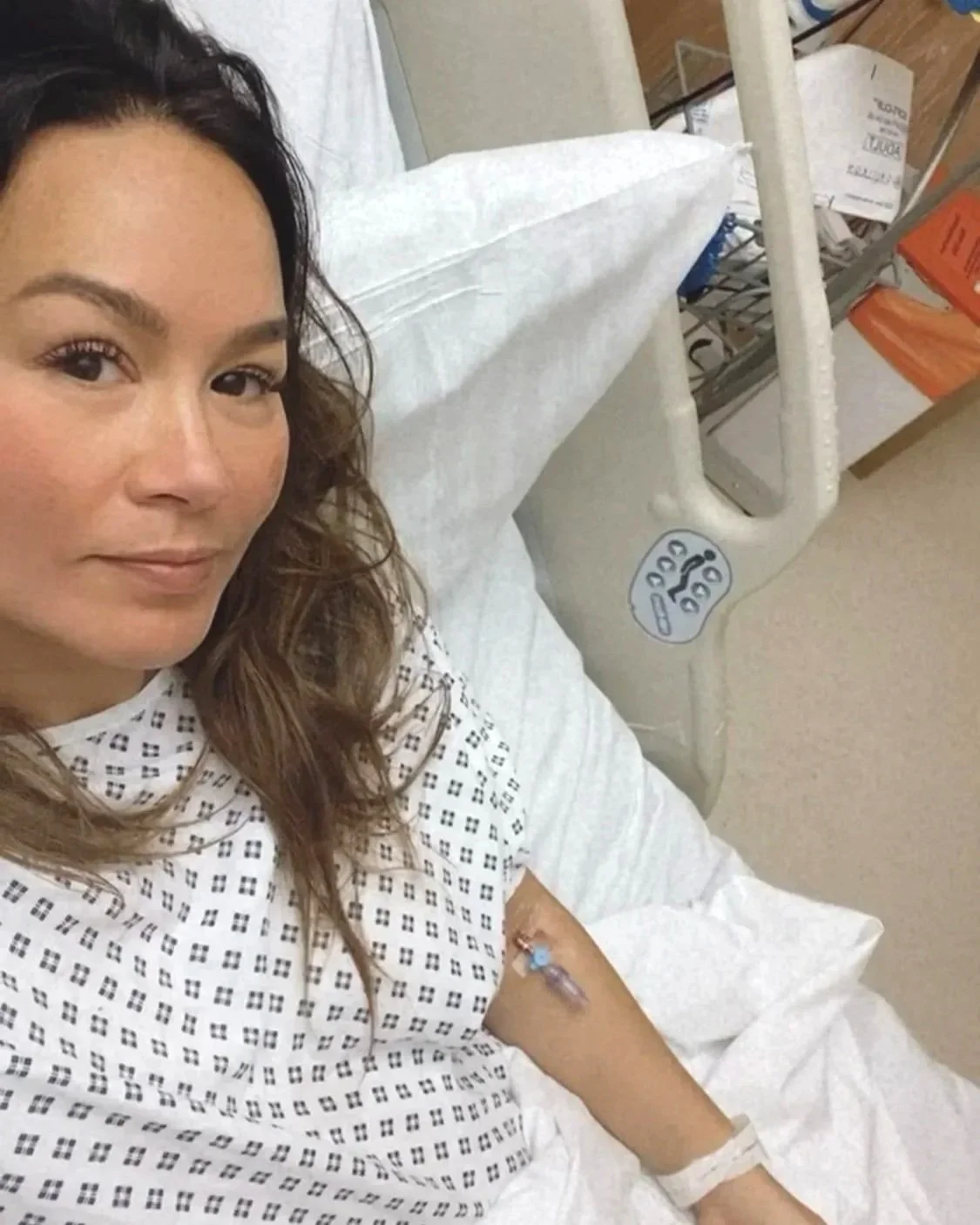
"Eleven felt unsurvivable. It felt like a number that meant I might never get better."
When Everything Changed
In December 2023, Monica Durden began experiencing symptoms she couldn’t explain.
The pain was constant, but more than that, it behaved in a way that didn’t feel normal. The only relief came from lying down. Standing made everything worse.
“The pain was constant and positional. Lying down was the only thing that gave any relief. I couldn't stand up without it worsening.”
Alongside the pain, other symptoms began to emerge. Her hearing changed. She felt disconnected from the world around her.
“I felt like I was permanently underwater. I became very dissociated from the world around me.”
What she didn’t yet know was that she was experiencing a rare but treatable condition called spontaneous intracranial hypotension (SIH), caused by a spinal cerebrospinal fluid leak.
The Symptom Pattern That Mattered
Monica’s symptoms began suddenly and progressed quickly.
The most striking feature was how strongly they were affected by position.
“Lying down was the only thing that gave any relief.”
Standing triggered worsening pain, a hallmark of what clinicians describe as an orthostatic headache, a key indicator of a spinal CSF leak.
Other symptoms included:
Neck pain
Changes in hearing
Cognitive effects, including brain fog and dissociation
“It was both a mind and body illness. The physical symptoms were directly affecting how I was able to think, feel and function.”
Impact on Daily Life
The impact on Monica’s life was immediate and profound.

She was unable to work due to the severity of the pain, which created not only physical limitations but also significant financial pressure. Living alone added another layer of difficulty, meaning she had to rely heavily on the support of those around her.
Her friends organised themselves into a rota to ensure someone was with her throughout the day, helping her manage basic daily functioning. While this support was essential, it also came with emotional weight, as she became increasingly aware of the demands it placed on the people close to her.
“Needing that level of support, and knowing what it was asking of people I love, took its own toll.”
Emotionally, the experience was deeply unsettling, with the loss of independence and uncertainty around her condition adding to the overall strain.
“I was frightened… it felt like I might never get better — that the pain and disability I was living with might just be my life now.”
The Journey to Diagnosis
Reaching a diagnosis was not straightforward.
Monica first sought help through her GP, but initial assessments did not identify the cause of her symptoms. As the pain continued to escalate, she attended A&E, where early imaging led to a diagnosis of a brain bleed, a conclusion that was later found to be incorrect.
She was subsequently told she had eleven spinal leaks, a finding that was both alarming and ultimately inaccurate. Being given this level of uncertainty and conflicting information made an already distressing situation feel significantly more overwhelming.
“Eleven felt unsurvivable. It felt like a number that meant I might never get better.”
It was not until February 2024, around two months after her symptoms began, that she received the correct diagnosis of a spinal CSF leak.
A key turning point came when Monica was assessed by Dr Lalani Carlton Jones, a world-leading neuroradiologist specialising in cerebrospinal fluid leak disorders and a core member of the spinal CSF leak multidisciplinary team (MDT). Through specialist knowledge and interpretation of imaging, she identified that the issue was likely a single, localised leak rather than multiple defects. This clarity brought an immediate sense of reassurance and direction.
Following this, Monica was referred to Mr Gordan Grahovac as part of a specialist multidisciplinary team. With advanced imaging and expert clinical assessment, the precise source of the leak, an anterior dural defect at the C7/T1 level, was identified, allowing a clear and targeted treatment plan to be established.
Meeting Mr Gordan Grahovac
Following referral within the specialist team, Monica’s consultation with Mr Grahovac marked an important step in her journey.
His clear, direct communication style provided a level of certainty that had been missing up to that point. Rather than ambiguity or conflicting information, she was given a structured and confident explanation of her condition, supported by detailed imaging and expert interpretation.
“He was direct and matter of fact — which suits me completely.”
With a clear diagnosis and a defined treatment pathway, Monica was able to fully understand what she was facing. For the first time since her symptoms began, there was a sense of direction and a realistic prospect of recovery.
Although the idea of surgery remained daunting, the clarity around her condition and the expected outcome allowed her to make an informed and considered decision about the next steps.
Understanding the Condition
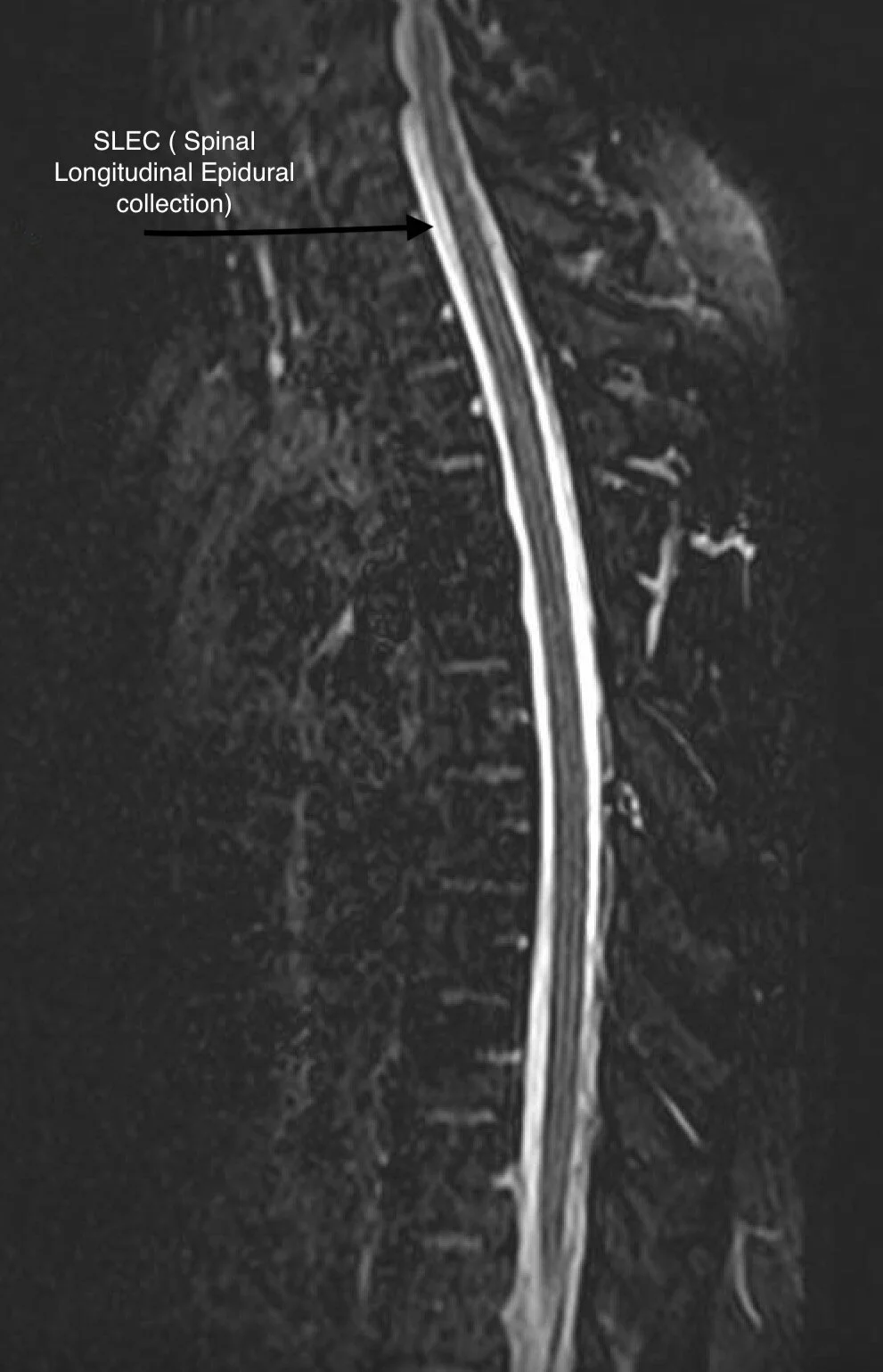
Spontaneous intracranial hypotension (SIH) is a rare but treatable condition caused by a leak of cerebrospinal fluid (CSF) from the spine.
As Mr Grahovac explains:
SIH occurs when CSF volume and pressure drop due to a leak, leading to symptoms such as headaches that worsen when standing and improve when lying down, often accompanied by neck pain and neurological symptoms.
In Monica’s case, the leak was caused by an anterior dural defect at the C7/T1 level, known as a ventral (Type 1) leak.
These types of leaks are often complex to diagnose and require highly specialised imaging, careful interpretation, and a multidisciplinary team (MDT) approach to both diagnosis and treatment.
Spinal CSF leaks remain significantly underdiagnosed, particularly when symptoms overlap with more common neurological conditions. Specialist assessment, advanced imaging, and multidisciplinary expertise are often essential for achieving an accurate diagnosis and effective treatment plan.
Treatment Approach
Monica’s treatment was carried out in stages.
She initially underwent a blood patch procedure, which provided some relief but did not fully resolve her symptoms. Further imaging confirmed that the leak persisted, and surgery was recommended as the most appropriate next step. This decision was made within a specialist multidisciplinary setting, ensuring that all imaging findings and clinical factors were carefully considered.
There was also an important additional consideration, the risk of superficial siderosis, a condition that can develop if a CSF leak remains untreated and may lead to permanent neurological damage. This risk played a significant role in guiding the decision towards surgery.
“That risk made the decision clearer.”
Although the recommendation was clear from a clinical perspective, the decision was not easy. Monica’s initial reaction to surgery was one of fear and hesitation.
She chose to take time to prepare mentally before proceeding, recognising the importance of being in the right mindset for both the operation and the recovery that would follow.
“I knew that if I went in before I was ready, I wouldn’t be in the right place to get through the surgery — or the recovery.”
She underwent surgery in October 2024.

Recovery and Life Today
Recovery was not immediate and involved both physical and mental adjustment.
Monica found that the process was slower and more complex than she had expected, with the psychological impact of her experience playing a significant role alongside the physical recovery.
The psychological impact of chronic pain and prolonged illness is well recognised. Patients recovering from conditions such as SIH often experience significant emotional adjustment alongside physical recovery, particularly after extended periods of uncertainty, pain, and physical limitation.
“Recovery took longer than I expected, and honestly, it was more of a mental journey than a physical one.”
The surgery itself was successful, and her symptoms resolved. She is now able to return to the activities she was doing before becoming unwell.
However, after a prolonged period in pain and survival mode, her body needed time to readjust. There was a sense that it had adapted to protect itself, which did not immediately switch off following treatment.
“I describe it as being in a cage… my body is learning to trust itself again.”
Through consistent movement and rehabilitation, she has gradually begun to regain confidence in her body, with steady progress over time.
Today, her definition of recovery is simple but meaningful, a return to normality and the ability to live without constant awareness of her condition.
“A good day now is just a normal day. That’s everything.”
Patient Reflections
Looking back, Monica reflects on the importance of seeking help sooner and advocating for her own health.
She also highlights the often-overlooked mental impact of conditions like this. While the physical symptoms are visible and measurable, the psychological toll can be just as significant and is not always recognised.
“The physical symptoms are visible and measurable, but the mental toll is just as significant.”
Support from others played a crucial role in her recovery. Having people around her, both personally and medically, helped her navigate what was an incredibly challenging period.
“Reach out to people. Let them support you. That is what got me through it.”

“I wish I hadn’t been so stubborn… I wish I had advocated for myself earlier.”
Monica chose to share her story to raise awareness of a condition that is often misunderstood and difficult to diagnose, in the hope that others may reach answers sooner.
Clinician Insight
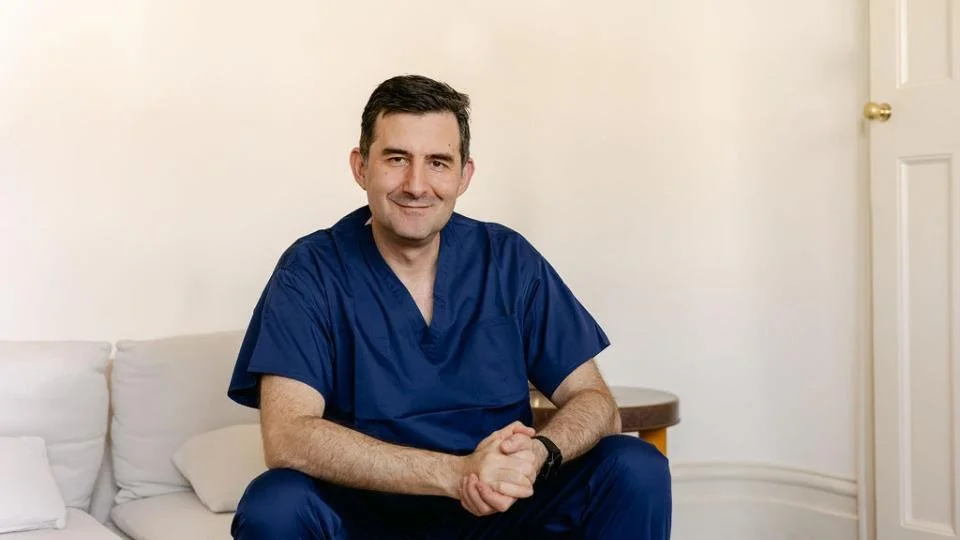
According to Mr Gordan Grahovac:
“Spontaneous intracranial hypotension is a rare, treatable condition caused by a cerebrospinal fluid leak. It is characterised by orthostatic headaches, symptoms that worsen when standing and improve when lying down.
Diagnosis and treatment can be challenging and rely on specialised imaging and a multidisciplinary approach. When recognised and managed appropriately, outcomes are often very good.”
Final Thought
Monica’s story highlights the importance of recognising when symptoms do not follow a typical pattern.
Persistent headaches that change with position, especially when accompanied by neurological symptoms, may require specialist assessment.
With the right diagnosis, even complex and frightening conditions can be effectively treated and recovery is possible.
