

Published Reasearch
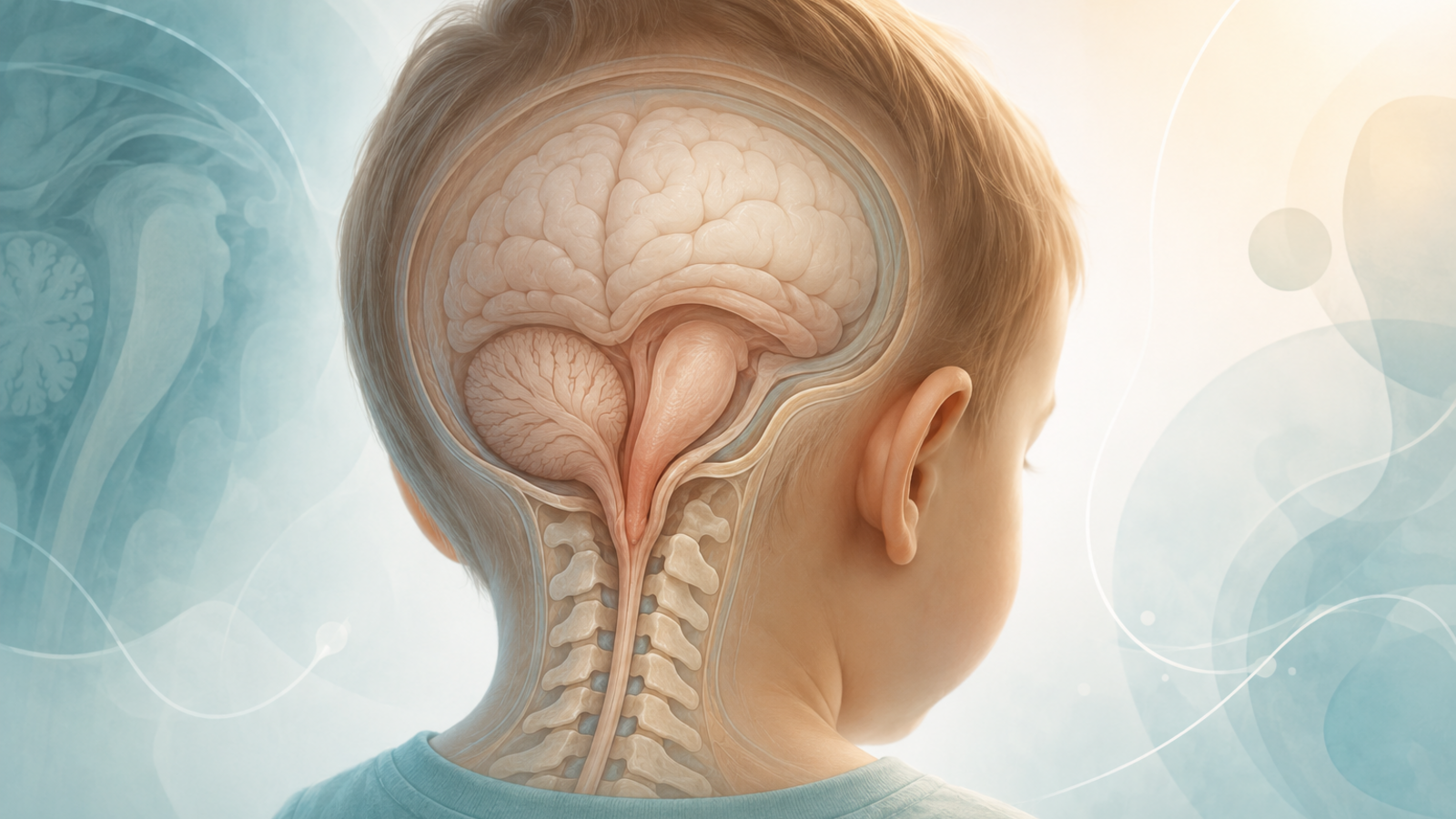
Chiari type I malformation of infants and toddlers
This paper examined Chiari type I malformation in very young children. It is relevant because infants and toddlers may present differently from older children or adults, making diagnosis and management more challenging.
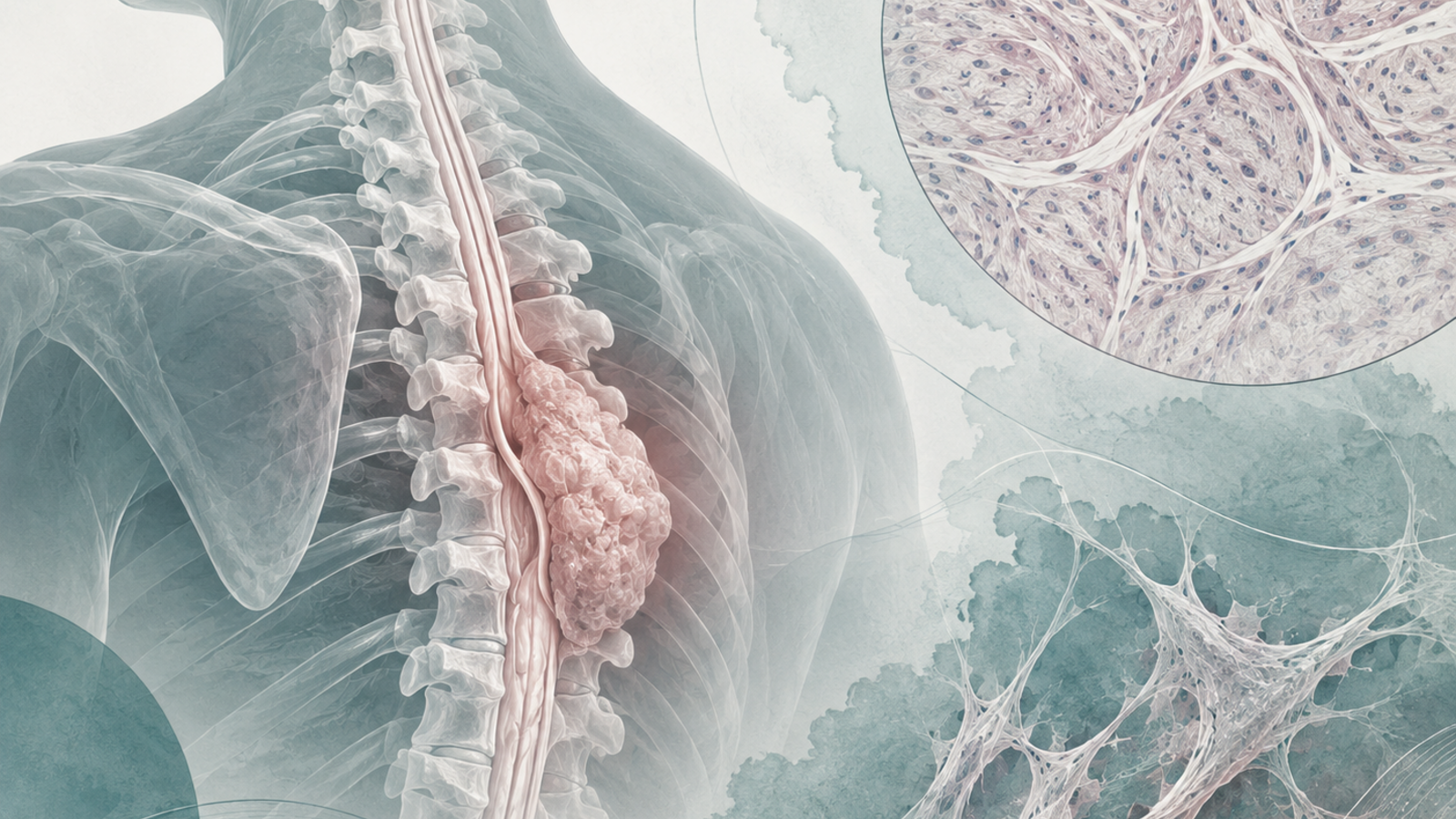
Spinal Cord Compression Caused by Fibroblastic Reticular Cell Tumor (FRCT) Originating from Thoracic Spine
This case report described a rare fibroblastic reticular cell tumour arising in the thoracic spine and causing spinal cord compression. It is relevant because rare tumours can mimic more common causes of spinal cord compression on imaging.
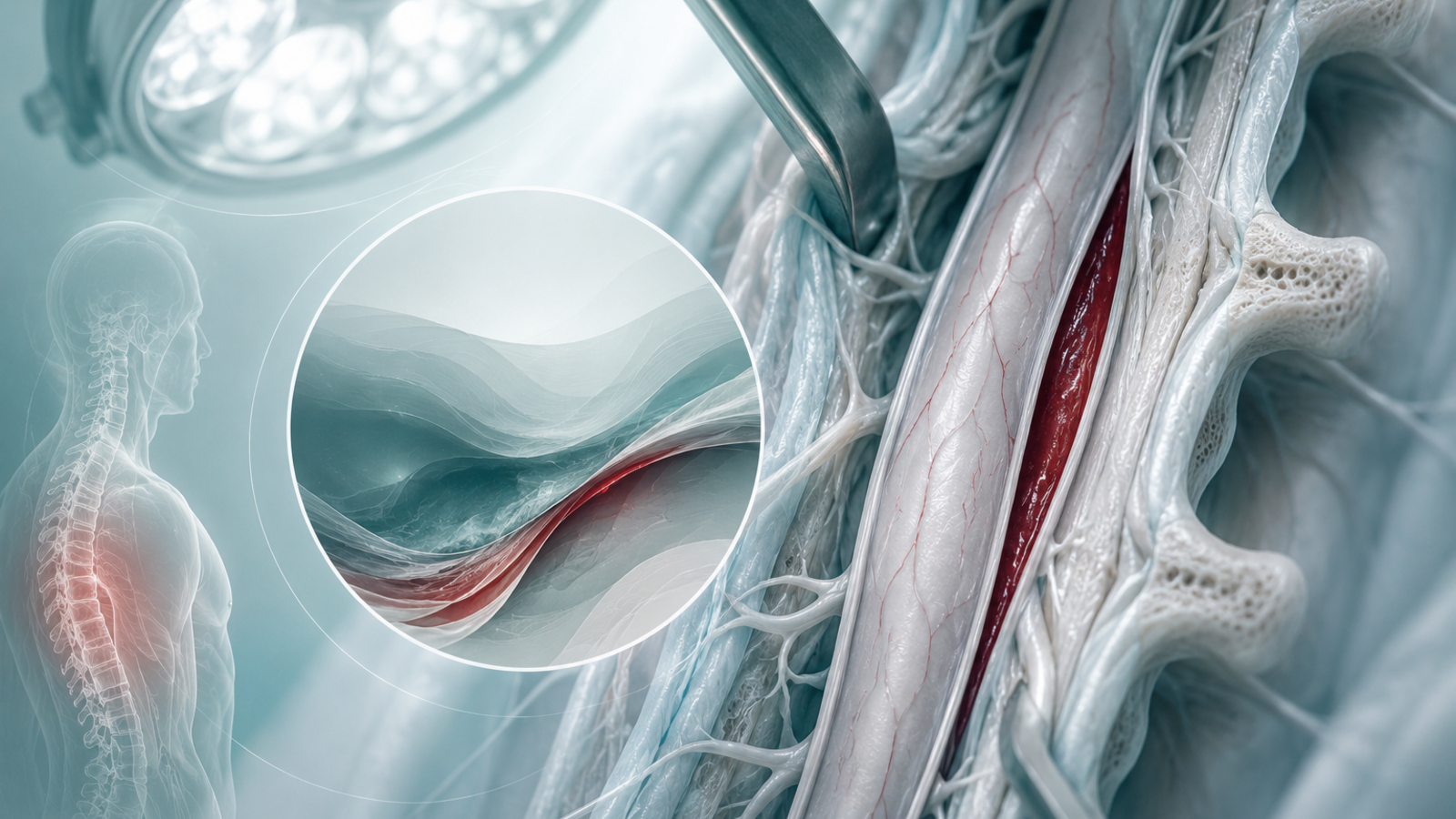
Risk Factor Analysis and Surgical Outcomes of Acute Spontaneous Spinal Subdural Hematoma. An Institutional Experience of Four Cases and Literature Review
This paper reviewed four institutional cases of acute spontaneous spinal subdural haematoma and compared them with the literature. It is relevant because this rare condition can cause acute neurological deterioration and may require urgent surgical decisions.

Patient-Reported Bladder, Bowel, and Sexual Function After Cauda Equina Syndrome Secondary to a Herniated Lumbar Intervertebral Disc
This study examined long-term bladder, bowel and sexual function after cauda equina syndrome caused by a herniated lumbar disc. It is important because these symptoms can have a major effect on quality of life after surgery.
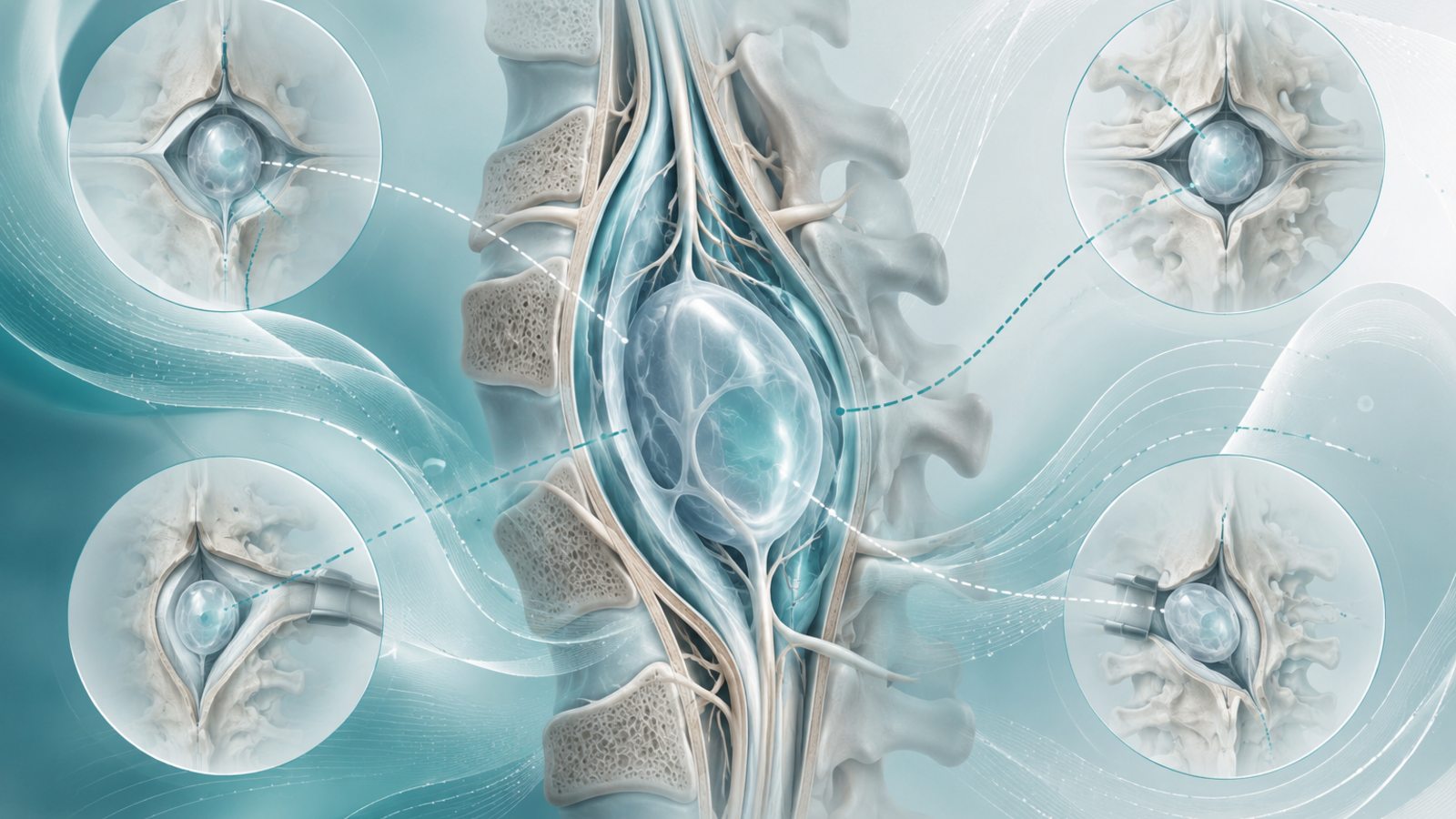
Systematic Review of Surgical Management of Spinal Intradural Arachnoid Cysts
This systematic review examined surgical techniques used for spinal intradural arachnoid cysts. It is useful because these cysts are rare, and surgical decisions often rely on limited published experience.
Is Cauda Equina Surgery Safe Out-of-Hours? A Single United Kingdom Institute Experience
This study reviewed whether cauda equina syndrome surgery performed out of hours was associated with different outcomes or complications. It matters because CES surgery is often time-sensitive, but emergency timing must be balanced with safe surgical conditions.
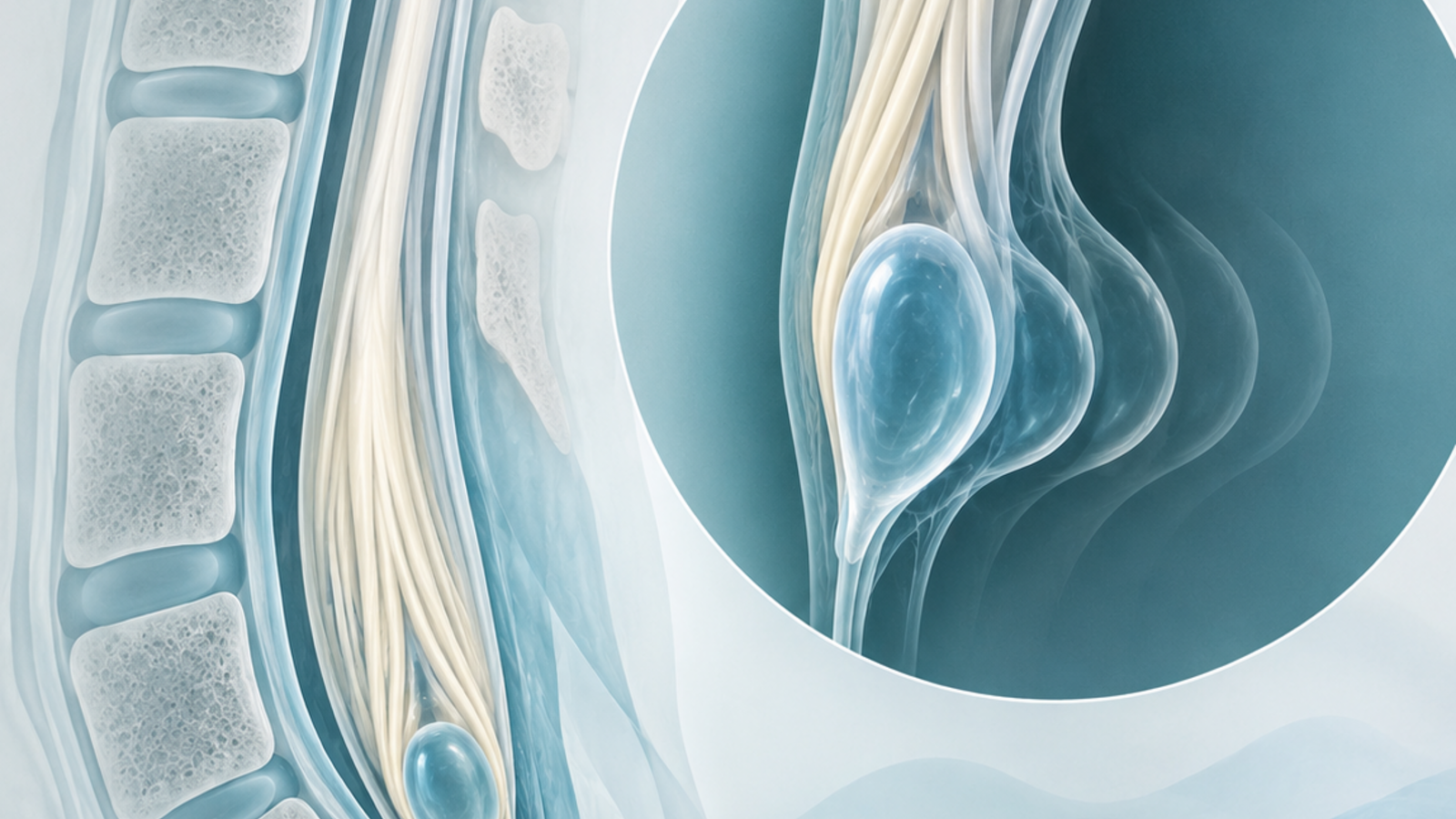
Recurrent terminal ventricle cyst: a case report
This case report described a rare cystic lesion in the conus medullaris called a terminal ventricle cyst. It is relevant because these lesions are uncommon and management can be difficult when symptoms fluctuate or recur..
Intraoperative Neurophysiological Monitoring for Intradural Extramedullary Spinal Tumours
This study assessed intraoperative neurophysiological monitoring during surgery for intradural extramedullary spinal tumours. It is relevant because monitoring may help surgeons understand and reduce neurological risk during delicate spinal tumour operations.
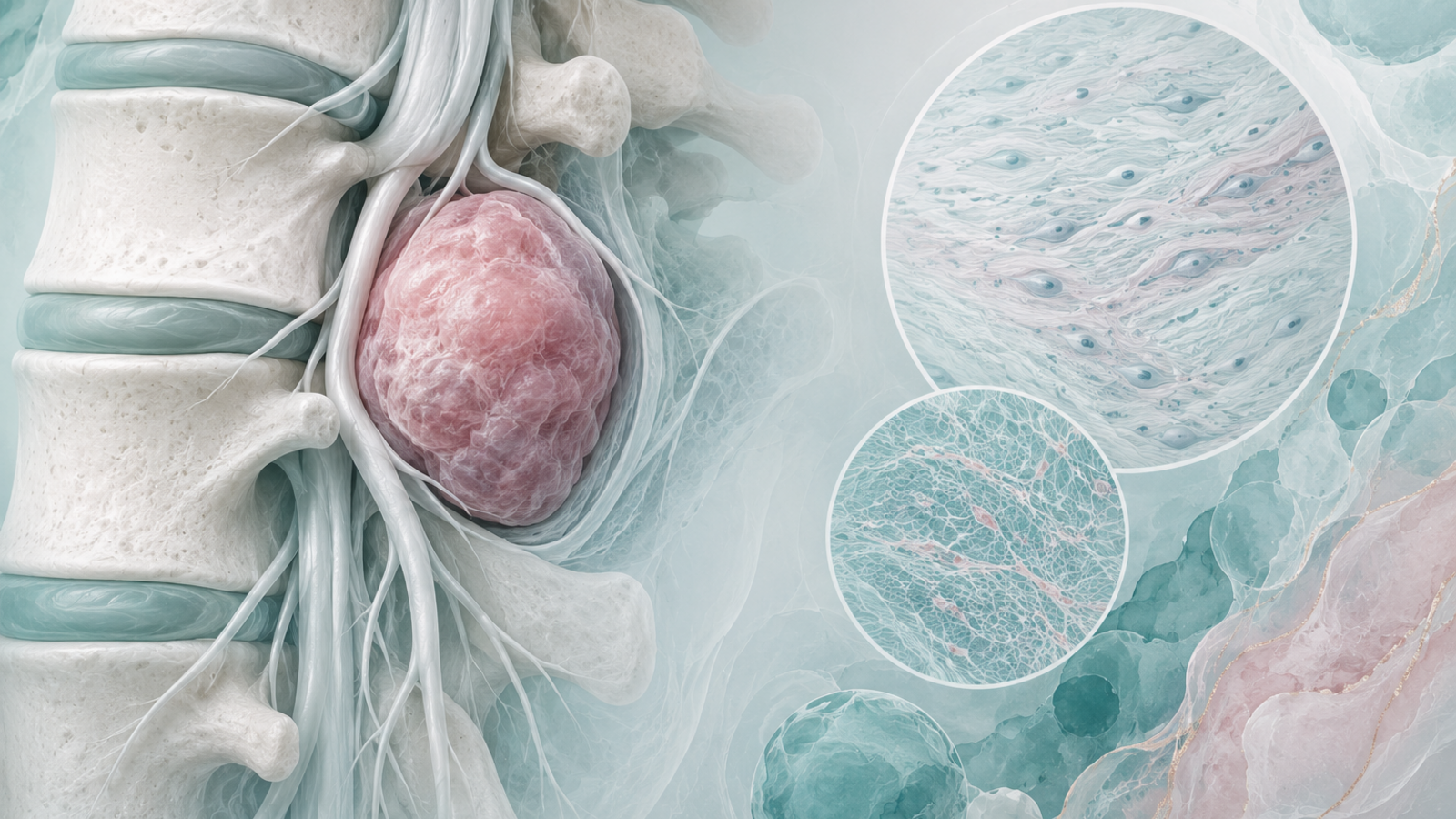
Spinal myxomas: review of a rare entity
This article reviewed spinal myxomas and described two contrasting cases. It matters because spinal myxomas are rare and may resemble other spinal or paraspinal tumours on imaging.
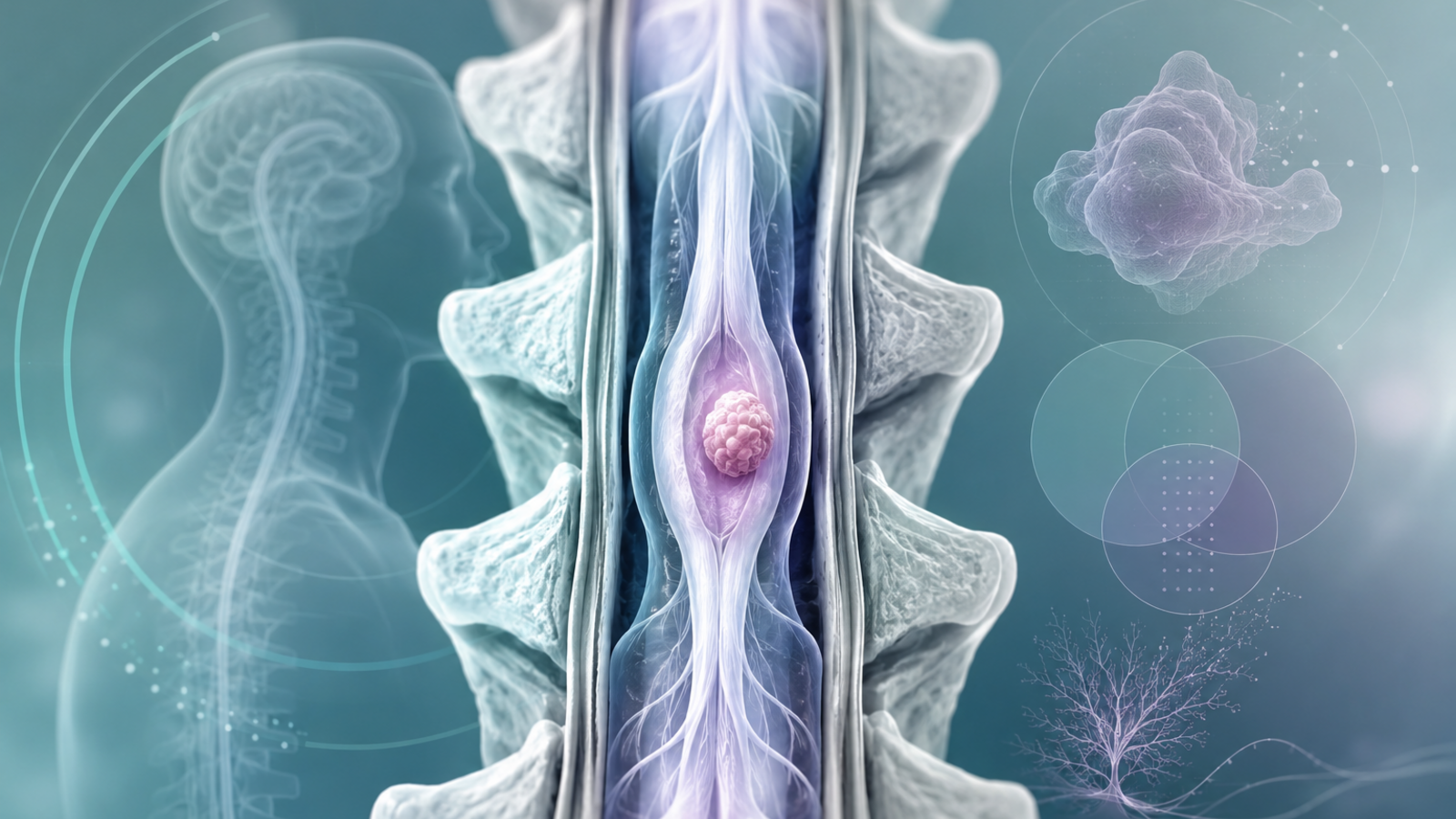
Prognostic factors for surgically managed intramedullary spinal cord tumours: a single-centre case series
This case series reviewed adults who had surgery for intramedullary spinal cord tumours. It looked at factors that may influence outcome, which can support counselling and surgical planning in a rare group of spinal tumours.
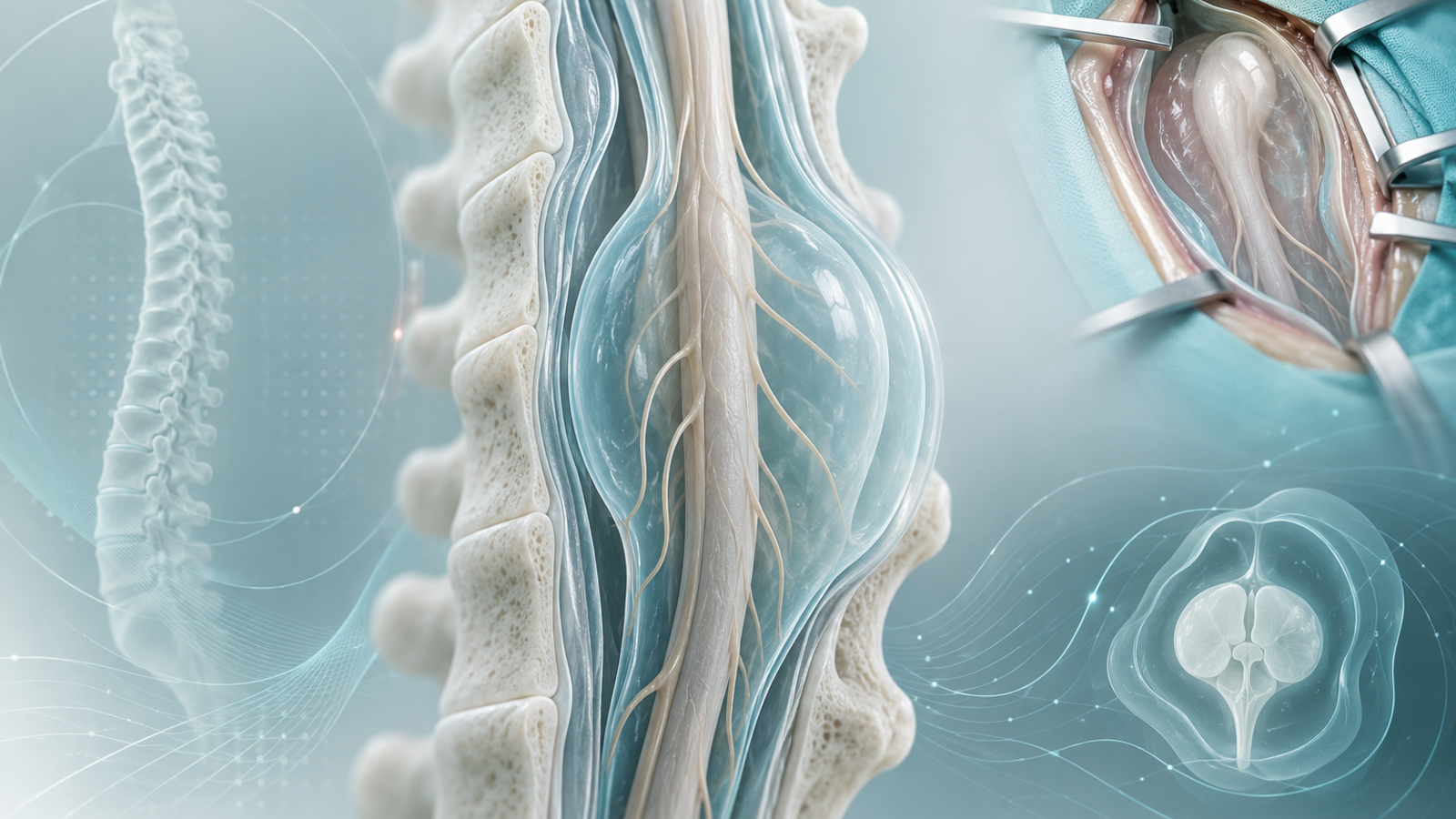
Surgical management and outcomes in spinal intradural arachnoid cysts: the experience from two tertiary neurosurgical centres
This study reviewed patients treated surgically for spinal intradural arachnoid cysts across two tertiary neurosurgical centres. It is useful because these cysts are rare and evidence on presentation and outcomes is limited.
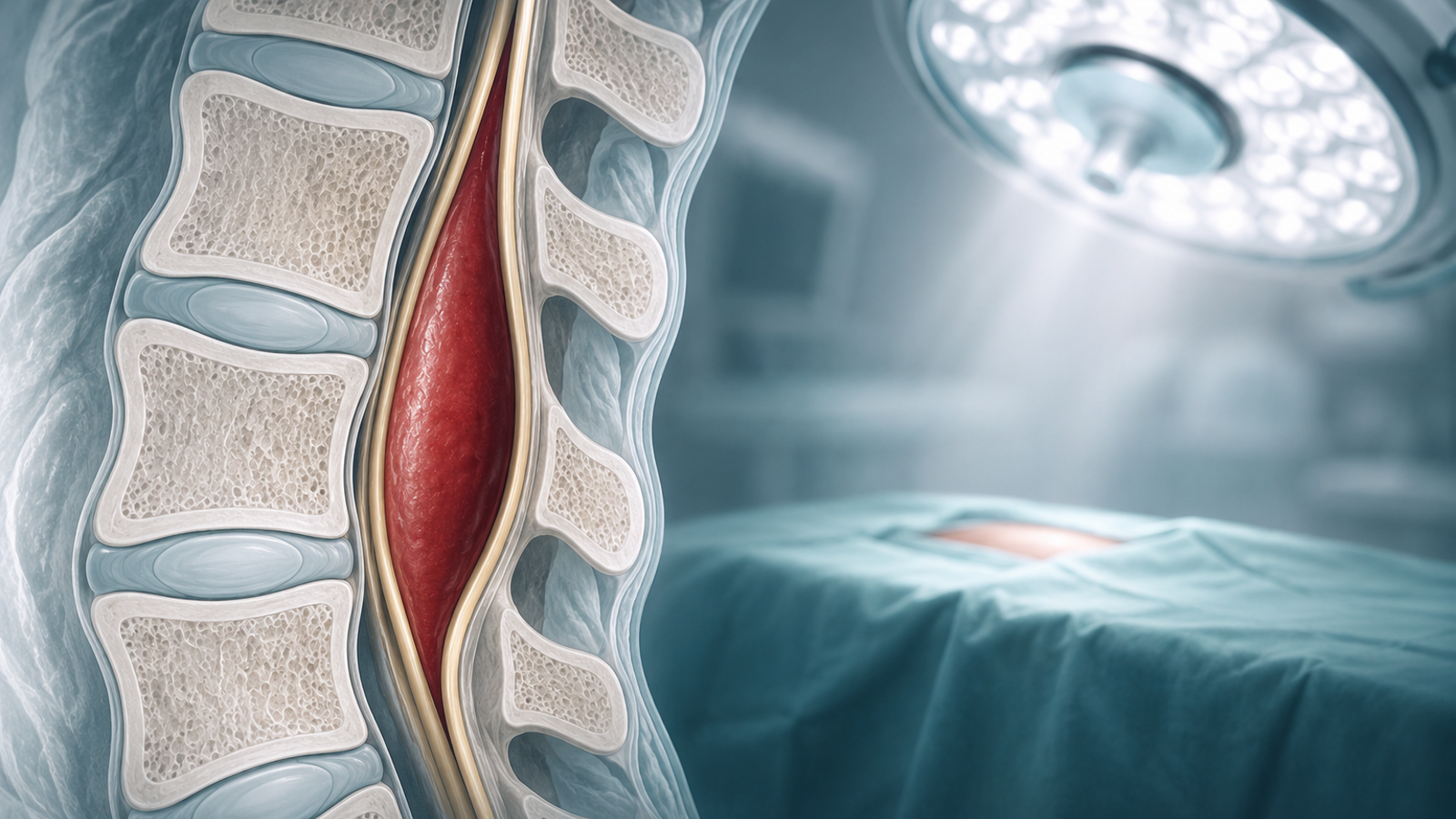
Prognostic factors and surgical outcomes of spontaneous spinal epidural haematoma: a systematic review and meta-analysis
This review examined factors linked with surgical outcomes in spontaneous spinal epidural haematoma. It is relevant because this rare condition can cause serious neurological symptoms and often requires urgent specialist assessment.

Presentation, management, and outcomes of cauda equina syndrome up to one year after surgery, using clinician and participant reporting: A multi-centre prospective cohort study
This large prospective cohort study examined how cauda equina syndrome presents, is managed and affects patients up to one year after surgery. It is important because CES is uncommon but serious, and standardised outcome data are limited.

The use of e-consent in surgery and application to neurosurgery: a systematic review and meta-analysis
This systematic review examined electronic consent in surgery and how it may apply to neurosurgery. It is relevant because consent processes should support patient understanding, shared decision-making and clear documentation.

Reliability of a Smartphone App to Objectively Monitor Performance Outcomes in Degenerative Cervical Myelopathy: Observational Study
This observational study evaluated whether a smartphone app could reliably measure performance outcomes in people with degenerative cervical myelopathy. It matters because remote or objective monitoring tools may support follow-up and research, but they need validation before wider use.

Cost-effectiveness of surgery for degenerative cervical myelopathy in the United Kingdom
This study looked at the cost-effectiveness of surgery for degenerative cervical myelopathy in the UK. It is relevant because DCM can affect mobility, hand function and independence, and health systems need evidence on both outcomes and value.

Surgical outcomes of unilateral painful foot drop secondary to lumbar disc herniation: a multicenter retrospective study
This multicentre study reviewed outcomes after surgery for painful foot drop caused by lumbar disc herniation. It reported that younger, less frail patients and earlier surgery were associated with better recovery, while noting that no precise timing cut-off was identified.
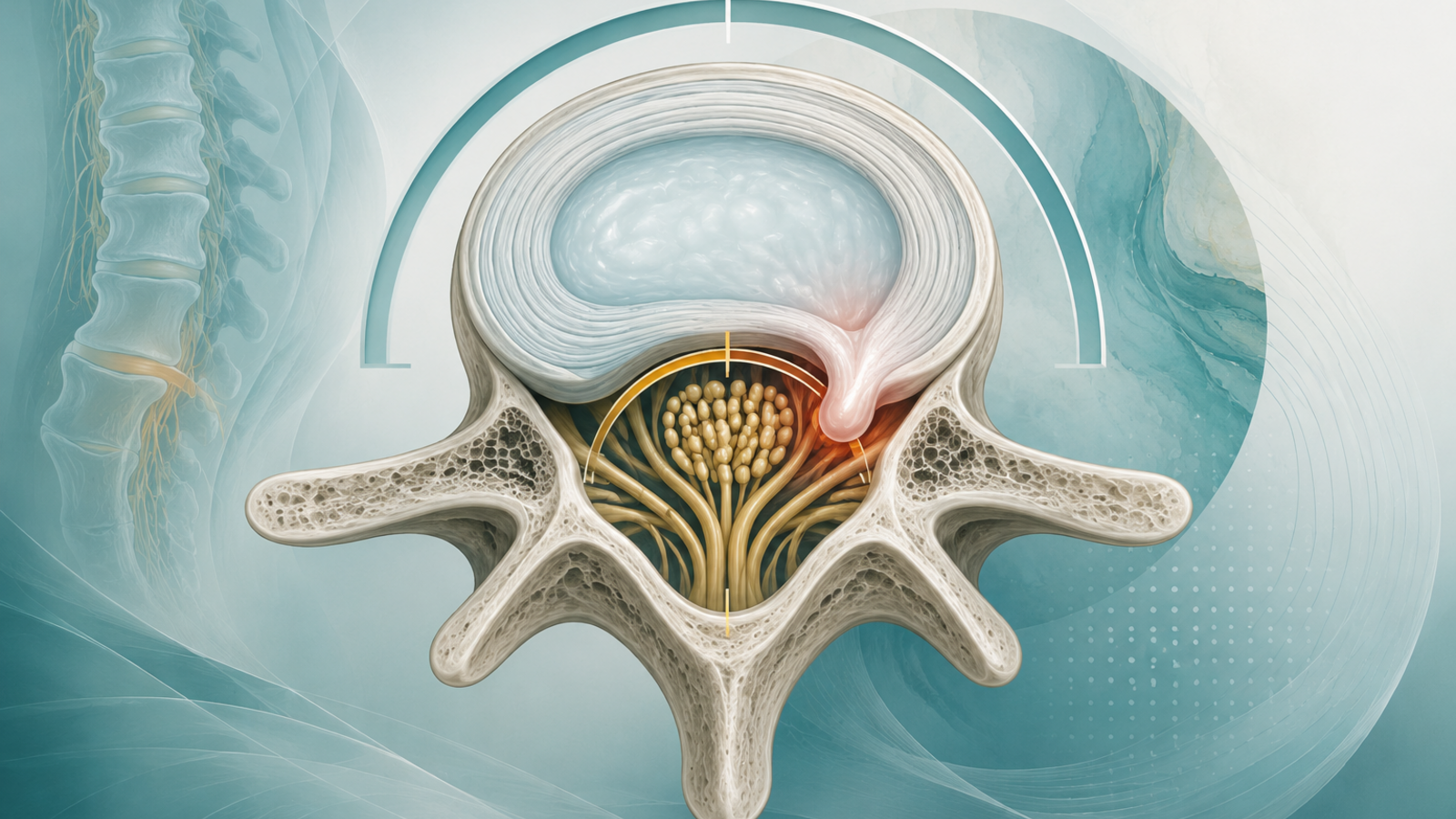
The impact of prolapse to canal ratio (PCR) in cauda equina syndrome outcomes and operative management
This paper considered whether the size of a disc prolapse relative to the spinal canal was linked with cauda equina syndrome outcomes. It is relevant because imaging measures may help clinicians understand severity and plan treatment, but they do not replace clinical assessment.
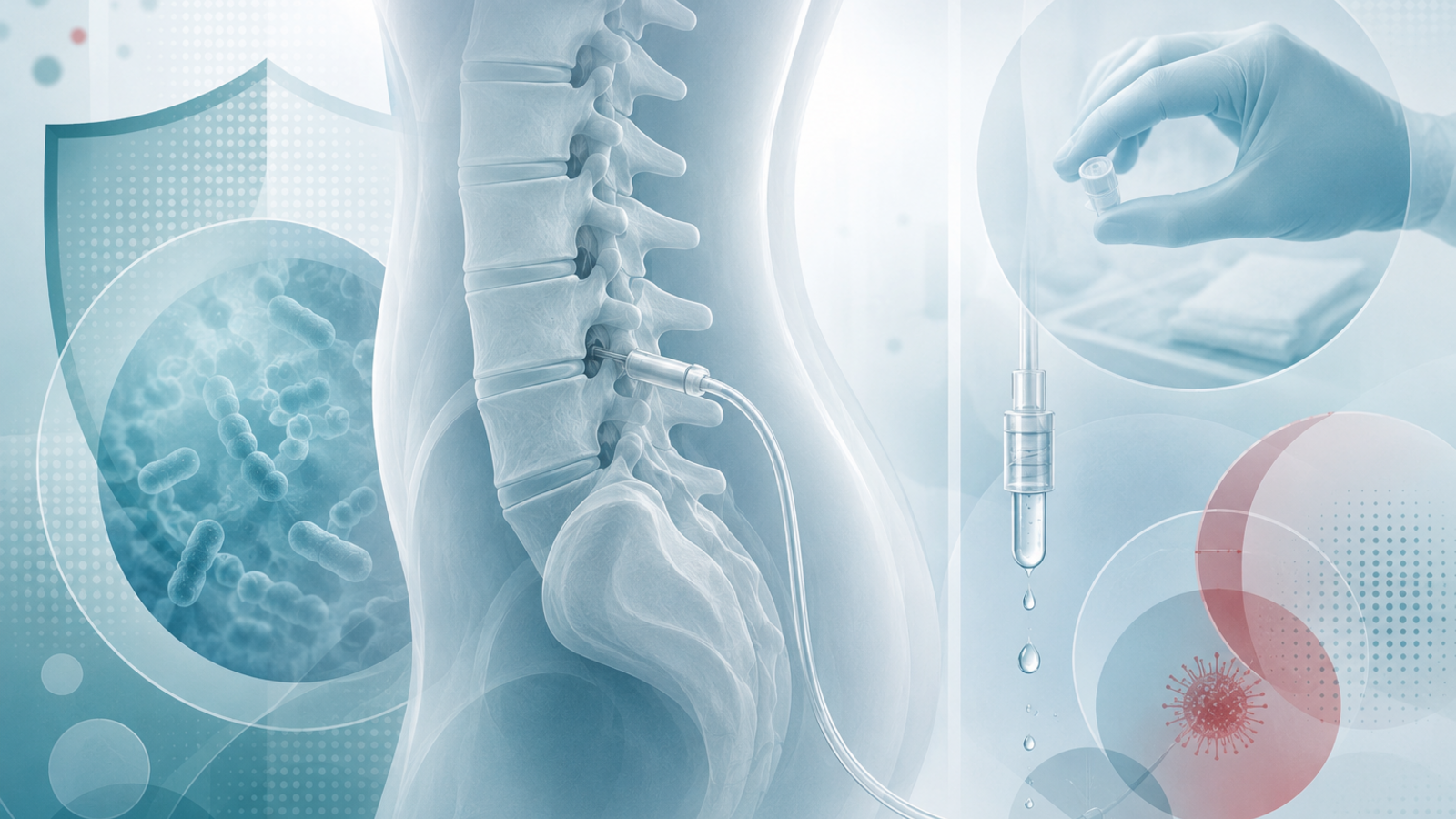
Lumbar Drain Infection Rates: A Comprehensive Risk Factor Analysis From a Multicenter Retrospective Study of 1000+ Cases
This study examined infection after lumbar drain insertion, a method used to divert cerebrospinal fluid in neurosurgical care. It helps identify factors that may increase or reduce infection risk, which can support safer planning and monitoring.

Reinsertion Versus Replacement for Contaminated or Postoperatively Infected Bone Flaps: Findings From the Largest Individual-Patient Analysis to Date
This page summarises a peer-reviewed publication co-authored by Mr Gordan Grahovac. The paper reviews the management of bone flaps that are either contaminated during cranial surgery or become infected after surgery.