
Sciatica vs Spinal Stenosis: What’s Causing Your Leg Pain?
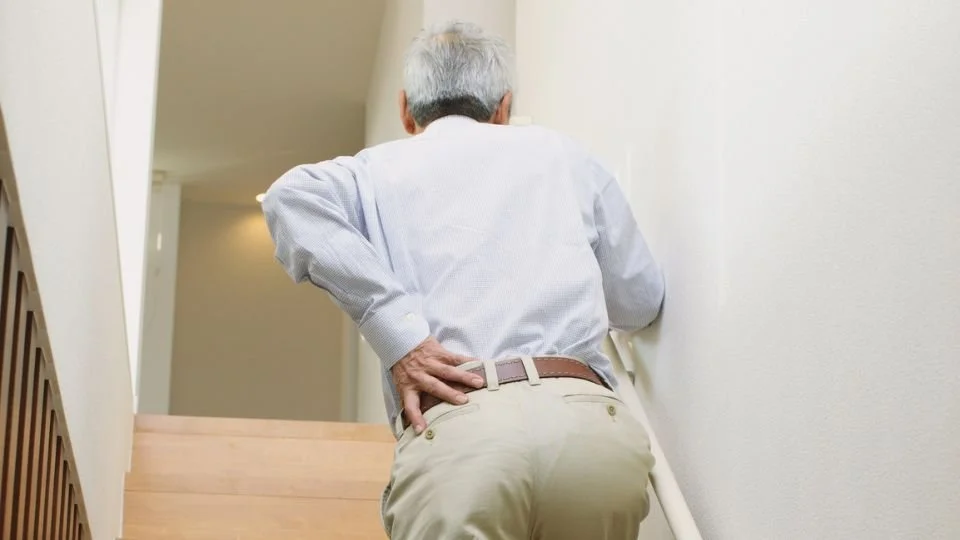
Leg pain is often assumed to come from a muscle, joint or hip problem. However, pain travelling into the leg can also originate from the spine, particularly when nerves in the lower back become irritated or compressed.
The nerve root irritation can be caused by the compression from the acute degenerative change such as herniated disc in the spine or chronic condition such as spinal canal stenosis and they both can cause referred pain in the legs that is commonly described as sciatica. They can cause similar symptoms, including pain, numbness, tingling and weakness, but they are not exactly the same because management is slightly different due to natural history of both conditions.
Sciatica describes a pattern of nerve pain caused by irritation or compression of one or more nerve roots. Spinal stenosis is a condition in which the spinal canal becomes narrowed. Importantly, spinal stenosis can itself cause sciatic-type symptoms, but most commonly patients will have gluteal and hamstring pain due to bad posture and can misinterpret this as sciatica so the distinction is not always straightforward.
Understanding when symptoms occur, what makes them worse and what relieves them can help give clues about the underlying cause.
Mr Gordan Grahovac, Private Neurosurgeon and Complex Spinal Surgeon in London:
“Sciatica and spinal stenosis can both cause leg pain, numbness or weakness, but the pattern of symptoms is often different. Understanding when the pain occurs, what makes it worse and what relieves it can give us important clues about the underlying cause.”
What Is Sciatica?
Sciatica refers to symptoms caused by irritation or compression of one or more nerve roots in the lumbar spine that contribute to the sciatic nerve.
A common cause is a herniated or slipped disc, where part of an intervertebral disc puts pressure on a spinal nerve root. Other causes can include wear and tear changes such as lateral recess stenosis within the spine, synovial cysts, bone spurs or narrowing of the foramina that reduce the space available around a nerve.
Sciatic pain usually follows the pathway of the affected nerve and may travel from the lower back or buttock into the thigh, calf or foot. Distribution of the pain is extremely important because it helps clinician to identify which nerve root is affected and if MRI finding is supporting clinical diagnosis.
Because the symptoms follow a nerve pathway rather than remaining confined to the back, sciatica is often described as a form of nerve pain.
Common Symptoms of Sciatica
Sciatica symptoms can vary depending on which spinal nerve is affected.
They may include:
Sharp or shooting pain down one leg
Burning or electric-shock-like pain
Tingling or pins and needles
Numbness
Muscle weakness
Pain extending into the foot or toes
Symptoms that worsen with certain movements, coughing or sneezing
Sciatica frequently affects one side of the body, although this is not an absolute rule.
Some people experience relatively little lower back pain and notice symptoms mainly in the leg.
What Is Spinal Stenosis?
Spinal stenosis means there is narrowing within the spinal canal or the spaces through which the spinal nerves travel.

Depending on where stenosis occurs, the narrowing can reduce the space available around the spinal cord and nerves. In the lumbar spine, the condition affects most commonly the nerve roots travelling through the lower part of the spinal canal.
Lumbar spinal stenosis often develops gradually as a result of wear and tear changes. These may include:
Disc bulging or disc degeneration
Thickening of spinal ligaments
Enlargement of the facet joints
Bone spurs
Changes in the bones in your spine that reduce the space available for the nerves, such as osteoporotic fractures
When narrowing puts pressure on the nerve roots, patients may experience pain, heaviness, numbness or weakness in the legs.
Lumbar spinal stenosis is particularly associated with symptoms that develop or become worse when standing or walking.
Common Symptoms of Spinal Stenosis
Symptoms may include:
Pain or aching in one or more commonly in both legs
A feeling of heaviness or fatigue when walking
Numbness or tingling
Muscle weakness
Reduced walking distance
Symptoms that become worse when standing
Relief when sitting or leaning forwards
Relief when pushing trolley and leaning forward
Some patients notice that they can walk further when leaning over a shopping trolley or cycle more comfortably than they can walk upright. This is because bending forwards can temporarily increase the space available around the nerves.
Symptoms often develop gradually and may become more noticeable as walking tolerance decreases.
Sciatica vs Spinal Stenosis: The Key Differences
The symptoms can overlap, but certain patterns may point more strongly towards one condition.
Sciatica
Typical Pain: Sharp, shooting, burning or electrical pain
Distribution: Often affects one leg
Walking: May improve symptoms
Sitting: Can sometimes aggravate symptoms
Leaning forwards: Not usually a defining feature
Common underlying problem: Irritation or compression of a spinal nerve root
Onset: Can occur suddenly, particularly when caused with acute disc herniation
Lumbar spinal stenosis
Typical Pain: Aching, pain or heaviness in the legs
Distribution: May affect one or both legs
Walking: Often becomes worse with walking or standing
Sitting: Often provides relief
Leaning forwards: Often eases symptoms
Common underlying problem: Narrowing around the spinal nerves
Onset: Often develops gradually through course of years
These are typical patterns rather than diagnostic rules.
Someone with a herniated disc may have symptoms that behave differently, while someone with spinal stenosis may experience sharp pain that feels very similar to sciatica.
For this reason, symptoms alone cannot always confirm the diagnosis.
Can You Have Sciatica and Spinal Stenosis at the Same Time?

Yes. This is an important point because sciatica and spinal stenosis are not mutually exclusive.
Spinal stenosis can narrow the space around an individual nerve root and create pressure on the spinal nerves, producing pain that travels down the leg in a sciatic pattern. A patient may therefore be diagnosed with lumbar spinal stenosis while also experiencing sciatica.
Some patients may also have more than one spinal problem. For example, degenerative narrowing may be present alongside a herniated disc or more widespread disc degeneration.
This can produce a mixture of symptoms, such as:
Sharp pain travelling down one leg
Heaviness in both legs when walking
Numbness or tingling
Reduced walking tolerance
Muscle weakness
Symptoms that change depending on posture or activity
When symptoms overlap, the aim of specialist assessment is not simply to attach a label to the pain. It is to identify which nerves are affected, what is causing the compression and which problem is primarily responsible for the patient’s difficulties.
Mr Gordan Grahovac, Private Neurosurgeon and Complex Spinal Surgeon in London:
“It is absolutely possible to have spinal stenosis and sciatic symptoms at the same time. What matters is identifying where the nerves are being compressed and whether that finding explains the patient’s symptoms.”
How Is the Cause of Leg Pain Diagnosed?
Diagnosis begins with understanding the symptoms in detail.
A specialist may ask:
Where does the pain begin and where does it travel?
Does it affect one leg or both?
Is there numbness, tingling or weakness?
Does walking make symptoms worse?
Does sitting provide relief?
Are symptoms affected by bending forwards or backwards?
How far can you walk before symptoms begin?
Have symptoms changed over time?
A neurological examination can assess strength, sensation, reflexes and other signs of nerve dysfunction.
MRI imaging may then be used to identify conditions such as:
A herniated or bulging disc
Lumbar spinal stenosis
Disc degeneration
Synovial cyst
Foraminal stenosis
Spondylolisthesis or spinal instability
The assessment also helps determine whether symptoms are being caused by temporary nerve irritation or continuing compression that could, in more severe or progressive cases, place the nerve at risk of nerve damage.
However, an MRI should not be interpreted in isolation. Many people have age-related changes on spinal scans without experiencing symptoms.
The important question is whether the imaging findings match the patient’s symptoms and neurological examination.
How Does Treatment Differ?
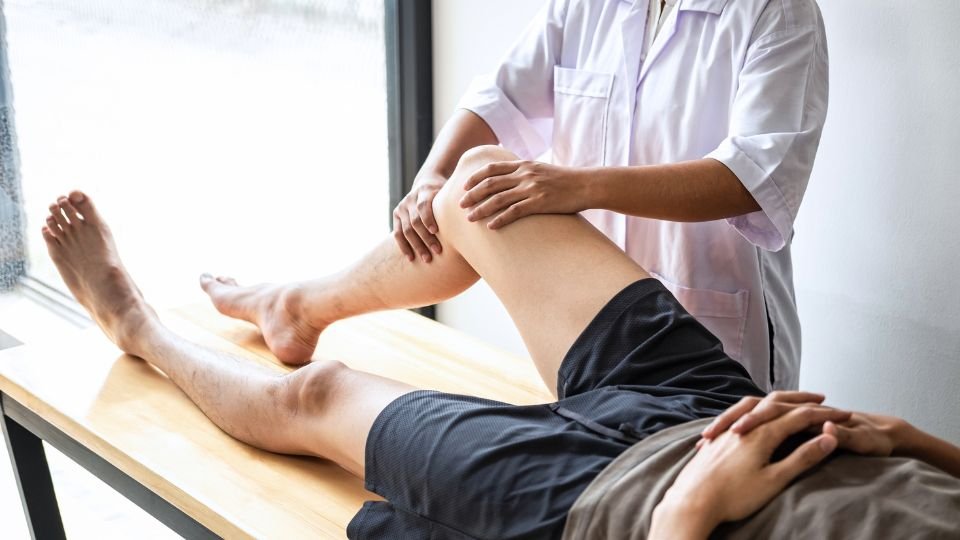
Treatment depends on the underlying cause, the severity of symptoms and how much they are affecting everyday life.
For many patients, treatment begins without surgery.
Non-surgical treatment options may include:
Physiotherapy, sometimes referred to as physical therapy
Appropriate exercise
Advice on remaining active
Pain medication or other appropriate pain relief
Activity modification
Weight management program
Selected spinal injections
A personalised rehabilitation programme
Depending on the cause of the symptoms, medications such as muscle relaxants may sometimes be considered as part of a wider treatment plan, although they are not suitable or necessary for every patient.
Sciatica caused by a herniated disc often improves without surgery as inflammation settles and the disc changes over time.
Spinal stenosis may also initially be managed conservatively, particularly when symptoms are mild or stable, and not causing significant impact on the quality of the life.
Surgical treatments may be considered when symptoms remain significant despite appropriate treatment, walking becomes increasingly restricted or neurological problems such as weakness are progressing.
The procedure depends on the underlying problem. A discectomy may be considered for selected disc herniations, while spinal decompression can create more space around nerves affected by stenosis. Fusion is only required in selected cases where instability or another structural problem also needs to be addressed.
Are There Risk Factors for Spinal Stenosis?
Spinal stenosis becomes more common as degenerative changes develop within the spine.
Possible risk factors include:
Increasing age
Degenerative changes affecting other joints such as arthritis
Rheumatoid arthirtis
Previous spinal surgery
Obesity
Conditions affecting spinal alignment
Some congenital differences in the size or shape of the spinal canal
Having a risk factor does not mean that someone will necessarily develop symptomatic spinal stenosis. Imaging findings only become clinically important when they correspond with the symptoms a patient is experiencing.
When Should You Seek Specialist Advice?
A specialist assessment may be helpful if:
Leg pain continues despite appropriate treatment
Sciatica keeps returning
Your walking distance is becoming shorter
You regularly need to sit down because of leg pain or heaviness
Numbness or muscle weakness is worsening
Symptoms affect both legs
An MRI has shown spinal stenosis or nerve compression
Your symptoms and scan results have not been clearly explained
Treatment has not provided lasting relief
New bladder or bowel dysfunction, numbness around the genital or saddle area, or rapidly worsening weakness requires urgent medical assessment to rule out cauda equina disfunction and that would require urgent assessment in closes A&E.
Specialist Care With Mr Gordan Grahovac
Mr Gordan Grahovac is a Consultant Neurosurgeon and Complex Spinal Surgeon specialising in the diagnosis and treatment of spinal conditions including sciatica, lumbar spinal stenosis, disc herniation and nerve compression.
His approach combines:
Detailed clinical and neurological assessment
Careful interpretation of spinal imaging
Consideration of non-surgical treatment options
Minimally invasive spinal surgery where appropriate
Individual treatment planning based on symptoms and function

For patients experiencing persistent leg pain, the first step is identifying exactly what is causing the symptoms and whether the problem involves a single spinal nerve, narrowing within the spinal canal, or a combination of factors.
If you have been diagnosed with sciatica or spinal stenosis, or your symptoms have continued despite treatment, specialist assessment can help clarify the diagnosis and determine the most appropriate next step.
Frequently Asked Questions About Sciatica and Lumbar Spinal Stenosis
-
Sciatica often causes sharp or shooting pain travelling down one leg. Spinal stenosis more commonly causes pain in gluteal and hamstring muscles, heaviness or weakness that becomes worse when standing or walking and improves when sitting or leaning forwards.
These are typical patterns rather than definitive diagnostic rules, and symptoms can overlap.
-
Yes. Spinal stenosis can narrow the space around a nerve root and cause sciatic pain travelling into the leg due to one nerve root impingement.
-
Yes. A patient with spinal stenosis may also experience sciatic symptoms if an individual nerve root becomes compressed. Other problems, such as a herniated disc, may also be present alongside stenosis.
-
No. A herniated or slipped disc is a common cause of sciatica, but spinal nerve roots can also be irritated or compressed by spinal stenosis, bone spurs, disc degeneration and other spinal conditions.
-
No. Many patients can manage symptoms with physiotherapy, exercise, pain relief or other non-surgical treatment. Surgical treatment may be considered when symptoms significantly restrict walking or everyday life, do not improve with appropriate treatment, or neurological problems are progressing.
