
Spinal Fusion Recovery: What to Expect After Surgery

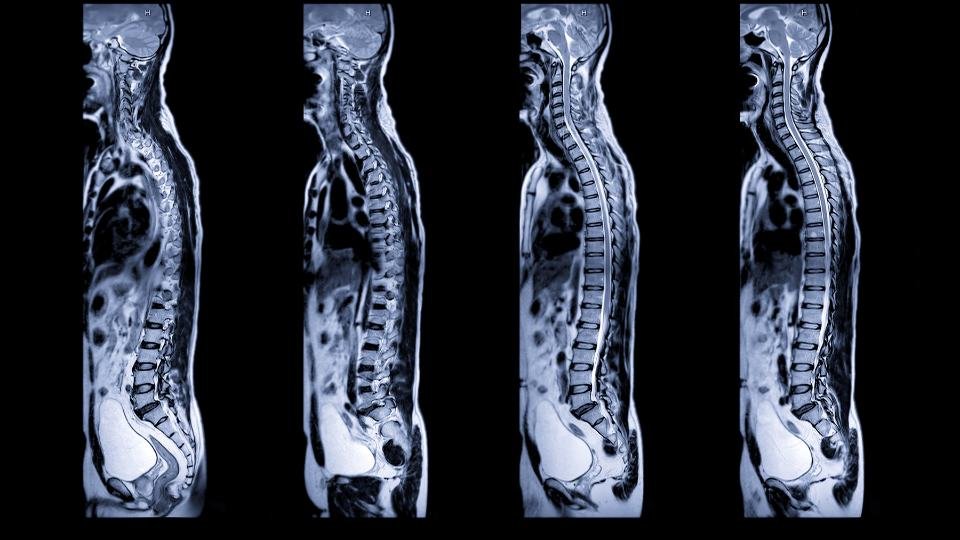
Spinal fusion is a surgical treatment used to stabilise part of the spinal column. Recovery after spinal fusion surgery is a gradual process because the muscles, nerves and bones all heal at different rates.
Fusion surgery may be recommended for several reasons, including spinal instability, degenerative disc disease, vertebral slippage or deformity. It may also be performed alongside spinal decompression when conditions such as spinal stenosis or a recurrent herniated disc, sometimes called a slipped disc, are placing pressure on the nerves.
Some people notice an early improvement in the arm or leg pain caused by nerve compression. Other symptoms, such as numbness, weakness, stiffness or fatigue, may take longer to settle.
The recovery time depends on the type of fusion performed, the part of the spine treated, the number of levels fused, whether other surgical procedures were carried out and the patient’s general health. Recovery after a minimally invasive operation may also differ from recovery following more extensive open surgery.
This guide relates specifically to spinal fusion recovery. Other operations, such as disc replacement, are designed to preserve movement rather than permanently join vertebrae and therefore involve a different recovery process.
It is more helpful to look for steady progress than to expect recovery to follow an exact timetable. The information below provides a general guide, but your surgeon’s individual instructions should always take priority.
Mr Gordan Grahovac, Neurosurgeon and Complex Spinal Surgeon in London, notes:
“Recovery after spinal fusion should not be measured against a single deadline. We look for gradual improvements in mobility, pain and everyday function while allowing the bone enough time to heal properly.”
The First Few Days After Spinal Fusion
The earliest stage of spinal fusion recovery focuses on pain management, wound care and safe movement.
Patients are usually encouraged to stand and begin walking with support as soon as it is appropriate. Early movement helps maintain circulation, rebuild confidence and reduce some of the effects of remaining in bed. It can also help lower the risk of complications such as blood clots.
Before leaving hospital, you may receive guidance on:
Getting into and out of bed safely
Walking and using stairs
Protecting the operated area
Managing pain relief
Caring for the wound
Activities or movements to avoid
Exercises to continue at home
It is common to feel tired and uncomfortable during this stage. Muscles and soft tissues have been affected by spine surgery, and the body is using energy to heal. Physiotherapists normally provide exercises and mobility advice appropriate to the operation before discharge.
The First Six Weeks
During the first six weeks, walking usually forms the foundation of rehabilitation. Short, regular walks are often more manageable than attempting one long walk and becoming overly tired.
Activity should be increased gradually. Many patients begin to manage personal care and simple household tasks more independently, although help may still be needed with shopping, cleaning, lifting or other physically demanding activities.
Common experiences during this stage can include:
Muscular pain around the operated area
Stiffness after sitting or lying down
Tiredness later in the day
Difficulty finding a comfortable sleeping position
Fluctuating nerve pain
Residual numbness, tingling or weakness
Symptoms do not always improve in a straight line. A more active day may temporarily increase stiffness or discomfort. This does not necessarily mean that damage has occurred, but it may indicate that activity needs to be increased more gradually.
General spinal aftercare guidance usually encourages patients to build their activity levels slowly during the first six to eight weeks. Restrictions on bending, lifting and twisting vary according to the operation and should be confirmed with the surgical team.
Six to Twelve Weeks After Surgery
Between six and twelve weeks, many patients begin to feel more independent and notice improvements in walking tolerance, stamina and confidence.
Pain relief may be reduced gradually under medical guidance. Patients should not suddenly stop long-term nerve pain medicines without speaking to their GP or clinical team.
Depending on the operation and progress, this stage may also involve:
Increasing walking distance
Beginning or progressing physiotherapy
Returning to selected household activities
Resuming some social activities
Considering a phased return to work
Introducing suitable low-impact exercise
Physiotherapy, sometimes referred to as physical therapy, may help rebuild strength, improve movement and support confidence during recovery.
Return to work depends on the physical demands of the job. Someone in a desk-based role may return earlier than someone whose work involves repeated lifting, bending, driving or manual activity. Working shorter hours or performing lighter duties can make the transition more manageable.
Driving should only resume when you can sit comfortably, control the vehicle safely, perform an emergency stop and are no longer affected by medication that causes drowsiness. Your surgeon’s advice and your insurer’s requirements should also be considered.
Three Months After Spinal Fusion
Three months is an important milestone, but it is not necessarily the end of spinal fusion recovery.
By this stage, many patients are:
Walking further and more regularly
Managing daily activities with greater independence
Using less pain relief
Returning to work or preparing for a phased return
Following a more structured rehabilitation programme
Experiencing less of the original arm or leg pain
Some stiffness, muscular discomfort and fatigue may still be present. Numbness or muscle weakness can also take longer to improve because nerves may recover more slowly than the surrounding tissues, particularly when compression existed for a long time before surgery.
The spine may not yet be fully fused at three months. The implants provide stability while the bone graft encourages new bone to develop between the vertebrae. Early fusion may be developing around this stage, but complete bone healing can continue for many months or sometimes years.
Feeling better does not automatically mean that all restrictions can be removed. Heavy lifting, repetitive twisting and high-impact exercise may still need to be avoided until the surgeon is satisfied with healing.
Mr Gordan Grahovac:
“At three months, many patients feel much more capable, but the internal healing process is still continuing. This is often the time to build strength and activity gradually, rather than rushing back to everything at once.”
Recovery Beyond Three Months
After the three-month stage, the focus often shifts towards rebuilding strength, endurance and confidence.
Progress may include longer walks, more structured exercise and a gradual return to work, travel and recreational activities. However, the speed of recovery varies considerably.
Patients recovering from a single-level fusion may have a different experience from those who have undergone multilevel, revision or complex deformity surgery. Recovery following cervical fusion can also differ from recovery after lumbar fusion.
The fused section of the spine will no longer move in the same way, but the surrounding joints, muscles and unaffected areas continue to provide movement. Rehabilitation can help patients adapt, improve strength and return to meaningful activities.
The goal of surgery is not simply to create fusion on an X-ray. It is to stabilise the affected area, reduce pain where possible and improve everyday function.
Exercise and Physiotherapy During Recovery
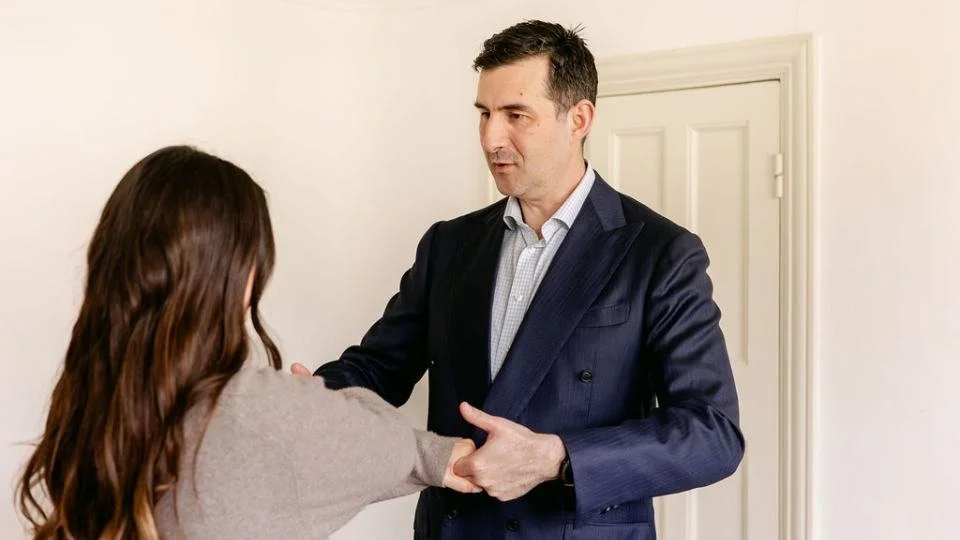
Exercise after spinal fusion should be gradual and individualised.
Walking is commonly encouraged throughout recovery. A physiotherapy or physical therapy programme may later introduce exercises for:
Core control
Hip and leg strength
Posture
Balance
Cardiovascular fitness
Safe lifting and movement
Returning to work or sport
Exercises provided to one patient may not be suitable for another. The programme will depend on the area treated, the surgical approach and whether there are any additional neurological or musculoskeletal problems.
The rehabilitation plan may also differ when fusion has been combined with spinal decompression. During decompression, bone, ligament or disc material may be removed to relieve pressure on nerves within the spinal canal.
Patients should avoid introducing new or demanding exercises without appropriate advice. Post-operative exercises should normally be approved or taught by the physiotherapy team.
What Can Affect Spinal Fusion Recovery Time?
Several factors can influence the pace of recovery and bone healing, including:
The number of spinal levels fused
The type of surgery performed
Whether the surgery was primary or revision surgery
Whether an open or minimally invasive approach was used
Whether spinal decompression was performed at the same time
The complexity of the spinal condition
Age and general fitness
Bone quality
Other health conditions
Nutrition
Smoking or nicotine use
The severity and duration of pre-operative nerve compression
Following rehabilitation and activity guidance
Smoking and nicotine can adversely affect bone healing and may reduce the likelihood of a successful fusion. Maintaining good nutrition, remaining appropriately active and following post-operative advice can support recovery.
A slower recovery does not automatically mean that the operation has failed. Some patients simply need more time, particularly after complex surgery or longstanding nerve compression.
Pain, Numbness and Weakness After Surgery
The symptoms that led to surgery may not all resolve at the same rate.
Radiating nerve pain may improve relatively early when pressure has been relieved. Numbness and weakness can take longer, and recovery may be incomplete if the affected nerves were severely or persistently compressed before surgery.
Back or neck pain may also have more than one cause. Spinal fusion is designed to address a specific source of instability, deformity or nerve compression. It cannot guarantee the complete removal of every type of spinal pain.
The purpose of fusion may also differ between patients. For one person, it may be used to stabilise degenerative disc disease. For another, it may support the spine after decompression for spinal stenosis or a herniated disc.
Some muscular pain and stiffness are expected during recovery. However, symptoms should generally become more manageable as mobility and strength improve.
Specialist Care With Mr Gordan Grahovac
Mr Gordan Grahovac is a Consultant Neurosurgeon and Complex Spinal Surgeon with extensive experience in spinal fusion, revision spinal surgery and the treatment of complex spinal conditions.
His approach includes:
Careful assessment and preparation before surgery
Personalised surgical planning
Minimally invasive techniques where appropriate
Structured post-operative follow-up
Individual rehabilitation guidance
Investigation of persistent or returning symptoms
Follow-up after spinal fusion is important because recovery involves more than assessing an X-ray. Mobility, neurological symptoms, pain, strength and the patient’s ability to return to daily life must all be considered.
Appointments also provide an opportunity to review rehabilitation, discuss progress and consider whether any additional treatment options are required.
If recovery feels slower than expected, a specialist assessment can help determine whether symptoms remain within the expected healing process or whether further imaging, rehabilitation or treatment is appropriate.
Frequently Asked Questions About Spinal Fusions
-
Initial recovery usually takes several weeks, but bone fusion and rehabilitation continue for many months. The full recovery time depends on the type of surgery, the number of levels treated and the patient’s individual health and circumstances.
-
Many patients are walking further, managing daily activities more independently and using less pain relief. Some stiffness, fatigue, numbness or weakness may still be present, and the spine may not yet be fully fused.
-
Some muscular discomfort or stiffness can remain at three months, particularly as activity increases. Pain that is severe, progressively worsening or accompanied by new neurological symptoms should be reviewed.
-
This depends on the type of work and the extent of surgery. Some patients can return to desk-based work with adjusted hours, while those in physically demanding roles may need considerably longer.
-
Walking is usually encouraged early, but strengthening and more demanding exercise should be introduced gradually and according to advice from the surgeon or physiotherapist.
-
Not always. Early fusion may be developing, but the biological healing process can continue for many months. Follow-up assessment helps determine how recovery is progressing.
-
Common problems after spinal fusion include muscular discomfort, stiffness, fatigue and temporary increases in symptoms as activity levels rise. Numbness or weakness may also persist while affected nerves recover.
Less common complications include infection, blood clots, continuing nerve symptoms, problems with the implants or failure of the vertebrae to form a solid fusion. Pain that is worsening, new weakness, wound changes or symptoms suggesting a blood clot should be assessed promptly.
-
There are not always permanent restrictions after spinal fusion. Many patients return to work, travel, exercise and normal daily activities once healing and rehabilitation have progressed.
Long-term advice depends on the number and location of the fused vertebrae, the complexity of the operation and the physical demands of the activity. Some patients may be advised to modify repeated heavy lifting, high-impact sport or activities involving extreme spinal movement. Your surgeon can provide guidance based on your individual fusion and recovery.
