
When Is Spinal Fusion Necessary?

Most people with back pain will never need spinal fusion surgery. Many spinal conditions can be managed successfully with physiotherapy, appropriate exercise, medication, spinal injections or other non-surgical treatments.
Spinal fusion may become appropriate when part of the spine is unstable, or when an operation to relieve pressure on the nerves would otherwise leave it without sufficient support. Its purpose is not simply to treat pain, but to address a clearly identified structural problem and improve long-term function.
Being told that you may need spinal fusion can understandably feel overwhelming. Before proceeding, it is important to understand why it has been recommended, whether less invasive options remain suitable and what surgery is realistically expected to achieve.
Mr Gordan Grahovac:
“A recommendation for spinal fusion should answer a clear question: what instability are we treating, and how is it contributing to this patient’s symptoms? The decision should never be based on back pain or an MRI scan alone.”
Why Might Spinal Fusion Be Recommended?
Spinal fusion permanently joins two or more vertebrae so that they heal as one stable segment. It is used to reduce abnormal movement or restore support where the spine has become unstable.
Fusion may be considered in carefully selected cases involving:
Spondylolisthesis, where one vertebra slips relative to another
Degenerative changes that have caused spinal instability
Selected recurrent disc herniations, particularly where further surgery may compromise stability
Certain spinal fractures
Spinal deformity, including selected cases of scoliosis
Previous spinal surgery that has reduced structural support
Nerve compression where decompression alone would leave the affected area unstable
Having one of these conditions does not automatically mean that fusion is necessary. The recommendation depends on whether instability is present, whether it corresponds with the symptoms and whether stabilising the spine is likely to provide a meaningful benefit.
Spinal fusion is not generally recommended for non-specific lower back pain alone. NICE guidance advises against offering fusion solely for low back pain outside a clinical trial, reinforcing the importance of identifying a specific structural reason for the operation.
When Is Lumbar Fusion Necessary?
Lumbar fusion is spinal fusion performed in the lower back. It may be considered when the lumbar spine has become unstable or requires additional support following nerve decompression.
Possible reasons include:
Symptomatic spondylolisthesis with instability
Abnormal movement between vertebrae that matches the symptoms
Revision surgery following a previous lumbar operation
Recurrent disc prolapse where further surgery may affect stability
A fracture or deformity affecting the alignment of the lumbar spine
Decompression requiring removal of enough supporting bone or joint tissue to create instability
Lumbar fusion is not automatically required for spinal stenosis, a slipped disc or age-related degeneration. Lumbar decompression is designed to create more space around compressed nerves, and many people can undergo decompression without fusion when their spine remains stable.
When both nerve compression and instability are present, decompression and fusion may be performed during the same operation. The decompression relieves pressure on the nerves, while the fusion provides the support needed to maintain stability.
Mr Gordan Grahovac:
“Fusion should not be added simply because it is available. If decompression alone can relieve the nerve pressure while preserving stability, that may be the more appropriate operation. Fusion becomes relevant when stability has already been lost or is likely to be compromised.”
Why Do Some People Need Fusion While Others Do Not?
Two people can have similar MRI findings but receive different treatment recommendations.
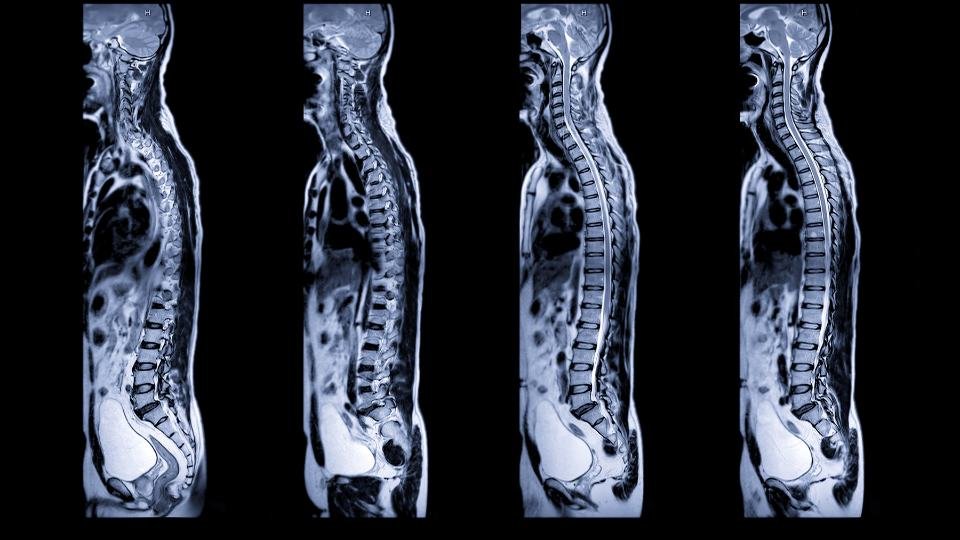
One person may have spinal narrowing with compressed nerves but no evidence of instability. In that situation, decompression alone may be sufficient.
Another may have similar narrowing alongside abnormal movement between the vertebrae. Decompression could relieve the nerve pressure but fail to address the instability, or it could make an already unstable segment less secure. Fusion may then provide a more durable result.
This is why an MRI report cannot determine the treatment by itself. The images must be interpreted alongside:
The pattern and severity of symptoms
Neurological examination findings
Walking ability and everyday function
Evidence of abnormal movement or instability
Previous treatment and how well it worked
Previous spinal operations
General health, bone quality and personal goals
The most suitable treatment plan is determined by the complete clinical picture, not by the name of the condition alone.
Mr Gordan Grahovac:
“Two patients can have very similar scans and still need different treatment. Imaging is important, but so are the examination, the pattern of symptoms, spinal stability and what the patient needs to regain in daily life.”
Can Spinal Fusion Be Avoided?
In many cases, yes.
Where there is no progressive neurological problem or significant instability, treatment may begin with:
Physiotherapy and targeted strengthening
Activity modification
Appropriate pain management
Spinal injections
Weight optimisation where relevant
Improvements in general fitness before considering surgery
These treatments cannot correct every structural problem, but they may reduce symptoms and improve function enough to delay or avoid an operation.
Even when surgery becomes appropriate, fusion may not be required. A decompression, discectomy or another focused procedure may address the underlying problem while preserving movement within the spine.
The decision is not based simply on how long pain has been present. Fusion is considered when stabilisation is an essential part of treating the condition and when the expected benefit outweighs the risks.
How Is the Decision Made?
A specialist assessment should establish three things:
What is causing the symptoms?
Is the affected part of the spine unstable?
Would fusion offer a clearer benefit than non-surgical care or a less extensive operation?
The assessment may include MRI, CT or other imaging where appropriate, but the images should always be interpreted in the context of the patient’s symptoms and examination.
Before proceeding, the recommendation should clearly explain:
What part of the spine requires stabilisation
How the structural problem relates to the symptoms
Whether decompression alone is an option
What alternatives remain available
What improvement surgery is intended to provide
The risks, recovery and rehabilitation involved
There is often time to consider these points carefully and seek a second opinion. Spinal fusion is usually a planned procedure rather than an emergency.
When Should You Seek Specialist Advice?
A specialist assessment may be helpful if:
Back or leg symptoms continue despite appropriate treatment
Walking tolerance is becoming progressively worse
Numbness or weakness is increasing
Symptoms have returned following previous spinal surgery
Imaging has shown spondylolisthesis or another possible source of instability
Decompression and fusion have both been discussed, but the reason for adding fusion remains unclear
You have been advised to undergo spinal fusion and would value a second opinion
New bladder or bowel changes, numbness around the genital or saddle area, or rapidly progressive leg weakness require urgent medical assessment because they may indicate serious nerve compression.
Moving Forward With Confidence
A recommendation for spinal fusion should never be based on back pain or age-related MRI findings alone.
It should follow a careful assessment showing that part of the spine requires stabilisation and that fusion is likely to offer a clearer benefit than the available alternatives.
For some people, continued non-surgical care remains the most appropriate option. Others may benefit from decompression without fusion. In carefully selected cases, fusion provides the stability required to relieve symptoms, protect the nerves and restore function.
Understanding exactly why the procedure has been recommended can make the decision feel clearer and less overwhelming.
Specialist Care With Mr Gordan Grahovac
Mr Gordan Grahovac is a Consultant Neurosurgeon and Complex Spinal Surgeon specialising in the surgical and non-surgical treatment of spinal conditions, including spinal instability, spondylolisthesis, spinal stenosis and complex degenerative disease.
He works as part of a multidisciplinary team and considers clinical findings, specialist imaging and the patient’s individual goals before recommending treatment.
His approach focuses on identifying the least invasive option likely to provide a meaningful and lasting benefit. For some people, this means continuing with non-surgical care. For others, spinal fusion may offer the support needed to improve mobility and quality of life.

If spinal fusion has been recommended, or you would like a second opinion, a consultation with Mr Grahovac can help you understand the reason for the recommendation, compare the available options and make an informed decision about your care.
Frequently Asked Questions About Spinal Fusions
-
Not usually. Many people with spinal stenosis can be treated with non-surgical care or lumbar decompression alone. Fusion may be considered when stenosis is accompanied by instability, deformity or another structural problem that decompression would not address.
-
No. Treatment depends on the degree of slippage, whether instability is present, the symptoms and how much the condition affects daily function. Some cases can be managed without surgery, while others may benefit from decompression, fusion or both.
-
No. Decompression relieves pressure on compressed nerves, while fusion stabilises the spine. They may be performed together when both nerve compression and instability need to be treated.
-
Possibly. Injections may reduce inflammation and help maintain activity, although they do not correct structural instability. Whether fusion remains necessary depends on the underlying condition, symptoms and overall function.
-
Yes. The intention is for the treated vertebrae to heal together permanently. Bone graft and, commonly, screws or rods are used to support the area while the fusion develops.
